
Dual diagnosis means the pattern is intertwined
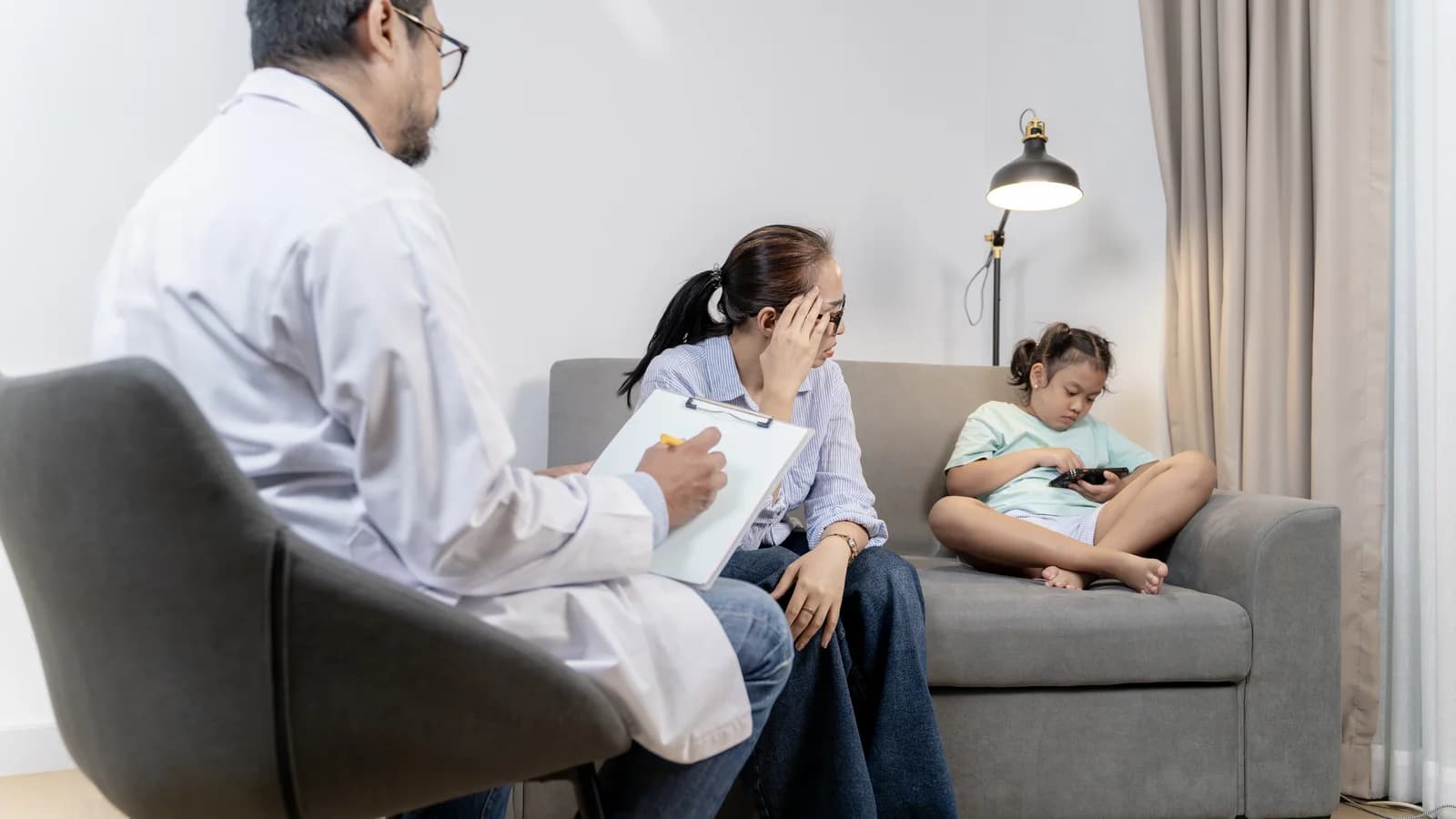
Dual diagnosis usually means a teen is struggling with both substance use and a mental health concern. For families, the hard part is that the concerns rarely line up neatly. Anxiety may lead a teen to use. Substance use may worsen anxiety. Depression may make the teen numb out. Alcohol or marijuana may deepen depression. Trauma symptoms may drive avoidance, secrecy, sleep problems, and risk. Parents may not know where to start because every problem seems to feed the next one.
The wrong approach is to argue endlessly about which problem is the real one. A teen may say that they only use because they are anxious. A parent may say that the teen is only anxious because they are using. Sometimes both contain truth. Good dual diagnosis treatment should help the family understand the loop instead of forcing a false choice.
Why separate treatment can fall short
If substance use is treated as only defiance, the teen's anxiety, depression, trauma, ADHD, grief, or family pain may stay untouched. If mental health is treated without addressing substance use, the teen may keep returning to the coping method that undermines therapy, sleep, school, trust, and safety. Families need an integrated picture.
Integrated planning does not mean every teen needs the same level of care. Some teens can be supported outpatient. Others may need IOP, PHP, residential treatment, or inpatient or emergency care depending on safety, medical stability, withdrawal risk, suicidality, intoxication, psychosis, aggression, family support, and daily functioning.
Medical stability comes before residential treatment
NorthLeaf should not be described as detox, acute withdrawal management, or hospital-level stabilization. If a teen is intoxicated, medically unstable, at risk for withdrawal, psychotic, actively suicidal with imminent danger, or otherwise unsafe outside emergency care, medical or emergency evaluation comes first. Once a teen is medically stable, residential treatment may be appropriate to explore when dual diagnosis concerns require structure across the day.
That distinction matters because it protects families from false promises. Residential treatment can support stabilization, therapy, family work, coping skills, relapse-prevention planning, school continuity, psychiatric oversight, and aftercare coordination. It should not be framed as a cure or a substitute for emergency medicine.
What treatment should help families see
Dual diagnosis care should clarify triggers, access, peers, cravings, mood patterns, trauma reminders, family conflict, school stress, sleep, medication questions, safety risks, and what happens after discharge. Parents need a plan that addresses both accountability and compassion. The teen needs help understanding why substances became useful, what they cost, and what safer tools can replace them over time.
The goal is not to shame a teen into honesty. Shame often creates more secrecy. The goal is a treatment environment where the teen can be honest enough for care to become practical, while parents receive enough guidance to stop living only in suspicion, panic, or detective mode.