
Teen marijuana use is not automatically harmless
Parents often hear two competing stories. One says marijuana is just experimentation and not worth overreacting to. The other treats any use as catastrophe. Real life is more specific. The question is not only whether a teen has used cannabis. The question is what role it is playing in their life, and whether it is affecting mood, school, sleep, motivation, safety, relationships, or coping.
Some teens use marijuana because they are curious or because friends are using. Others use it because it quiets anxiety, numbs depression, helps them sleep, reduces boredom, softens trauma memories, or makes social situations feel easier. When cannabis becomes the teen's main coping tool, taking it away without treating the underlying distress can leave the family stuck in a cycle of conflict and secrecy.
Modern cannabis can be complicated
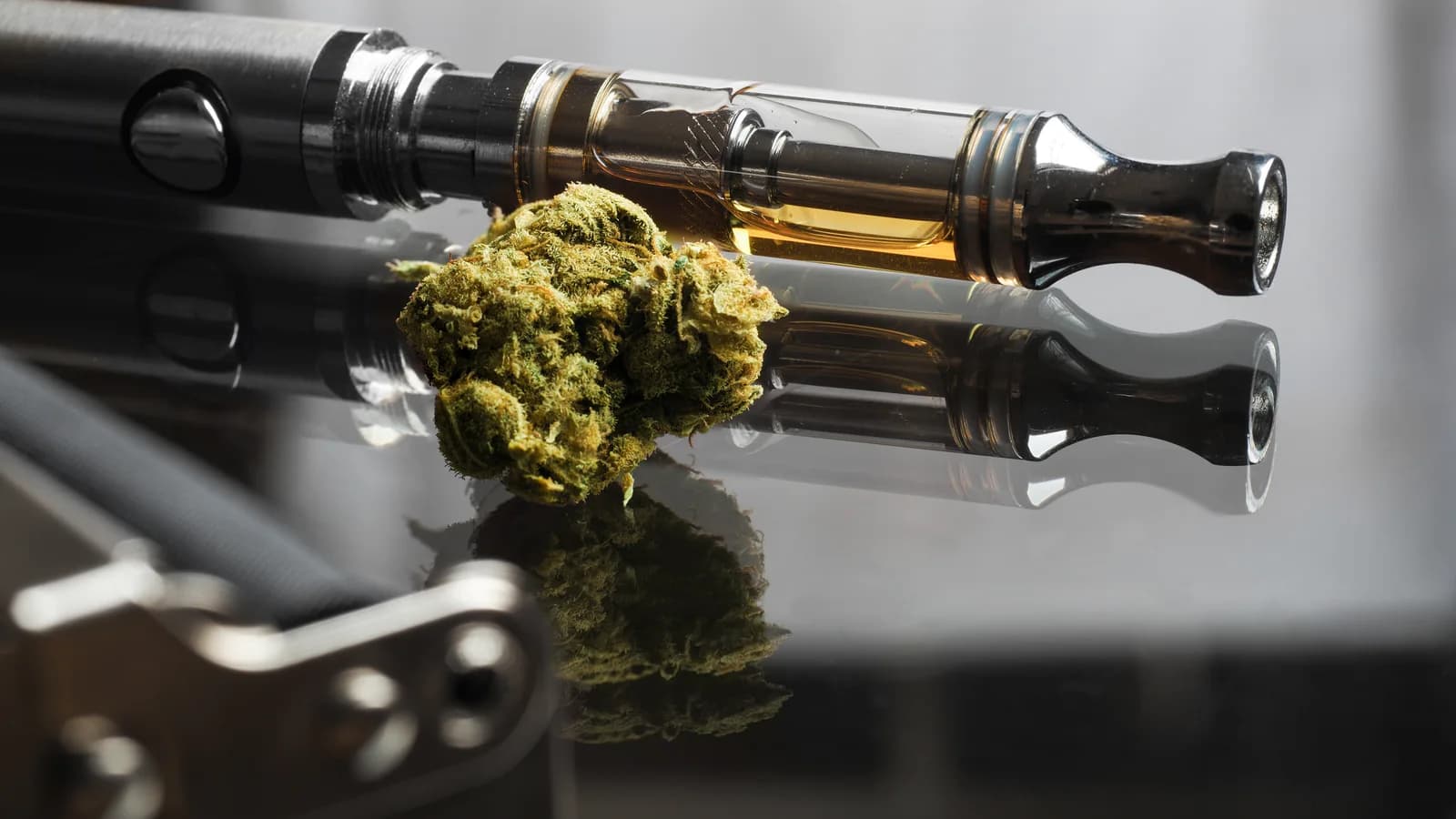
Families may be dealing with flower, concentrates, vapes, edibles, high-potency products, unknown cartridges, or products shared by peers. Parents may not know what the teen is actually using, how strong it is, or whether it is mixed with something else. A teen may insist it is natural or legal somewhere, while the family sees falling grades, irritability, panic, lying, and loss of motivation.
NIDA notes that cannabis can affect the brain and is associated with risks that matter for young people. Treatment should be honest without sounding hysterical. The point is not to win an argument about whether marijuana is bad. The point is to understand what it is doing in this particular teen's life.
Look for the pattern, not only the substance
Marijuana use may be one piece of a broader mental health pattern. A teen may smoke before school because they cannot tolerate anxiety. They may use at night because they cannot sleep. They may use with peers because they feel socially awkward sober. They may use after conflict because shame feels unbearable. They may use alone because they do not know how to sit with depression.
Parents should track use, mood, attendance, sleep, peer changes, family conflict, money, driving risk, self-harm or suicidal statements, and whether the teen can stop when clear limits are set. A treatment plan should address both the cannabis use and the reason the teen keeps returning to it.
When residential support may fit
NorthLeaf is not positioned as a detox or acute withdrawal management program. Residential treatment may be worth discussing when teen marijuana use occurs alongside medically stable mental health concerns such as anxiety, depression, trauma, school refusal, emotional dysregulation, family conflict, or co-occurring substance use patterns.
If a teen is medically unstable, intoxicated to the point of immediate danger, experiencing severe psychiatric symptoms, or at risk of harm, urgent medical or emergency evaluation may be needed first. A careful admissions conversation should clarify safety, substance pattern, mental health symptoms, and fit.