
Nicotine, vaping, and coping

Teen Vaping and Nicotine Treatment Support

Teen vaping is often treated like a school discipline issue, but it can also be tied to anxiety, peer pressure, impulsivity, sleep, stress, and emotional regulation.

Teen substance abuse treatment planning with parent and counselor support

Understanding the concern

Understanding Teen Vaping and Nicotine Use in Teens

A diagnosis or symptom pattern is only one part of the picture. Families also need to consider safety, functioning, school, relationships, routines, and what level of support is realistic at home.

Teen vaping can become more than a habit

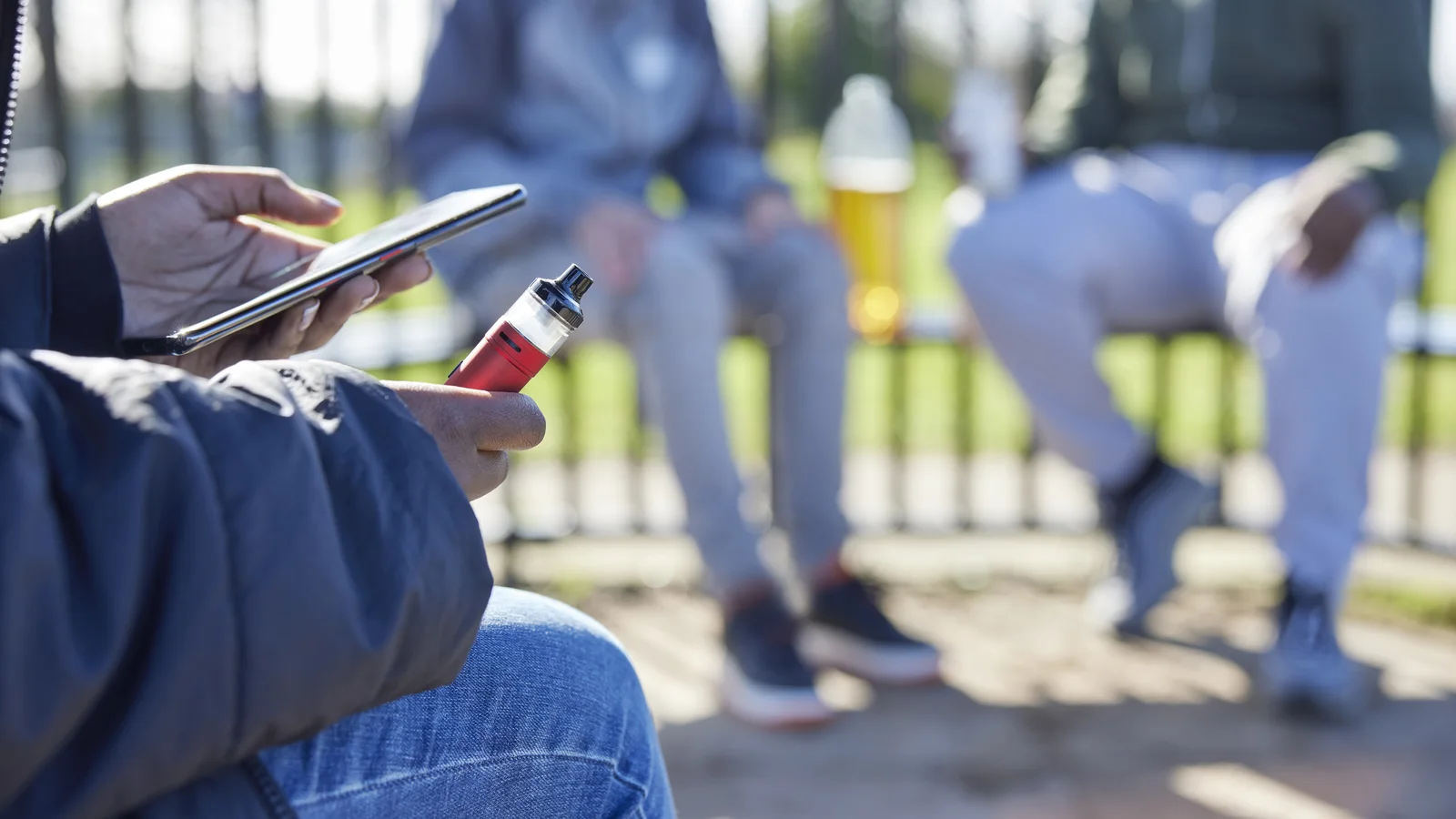
Vaping is easy for adults to underestimate because devices can be small, flavored, hidden, shared, and normalized in peer groups. Parents may discover a vape and feel they have uncovered only a rule violation. But for some teens, nicotine use becomes tied to anxiety, stress, identity, social belonging, irritability, sleep, impulsivity, or avoidance.

The teen may say everyone does it. They may insist it is not a big deal. They may become angry when parents take it away, not only because they are being caught, but because nicotine has become part of how they regulate their day. That does not make vaping acceptable. It means treatment may need to address coping, cravings, peer pressure, and family trust together.

Parents need to know what is actually being used

Some devices contain nicotine. Some contain THC. Some products are shared and unknown. Some teens use both. A family cannot build a realistic plan if nobody knows whether the issue is nicotine dependence, cannabis use, social pressure, emotional coping, or a combination. Assessment should be direct without being theatrical.

The CDC continues to treat youth tobacco and e-cigarette use as a public health concern. For families, the practical question is how vaping is affecting this teen's health, mood, school, relationships, honesty, and ability to handle stress without reaching for a device.

Vaping often travels with other patterns

Nicotine use may overlap with ADHD impulsivity, anxiety, social insecurity, depression, trauma, school stress, family conflict, or substance use. A teen may vape in the bathroom at school to calm down, use before social situations, hide it in their room at night, or rely on it during conflict. The behavior may be visible, but the emotional function is often hidden.

Parents should track when use appears, what happens when access is removed, whether other substances are involved, and whether vaping is part of a bigger decline in functioning. The goal is not simply confiscation. The goal is helping the teen build a life where nicotine is not carrying the job of coping.

When higher support may be appropriate

Vaping alone may not require residential treatment. It may become part of a residential treatment conversation when it sits inside a broader pattern: anxiety, depression, ADHD, school refusal, self-harm, marijuana use, alcohol use, family conflict, unsafe peer choices, or repeated inability to follow limits at home.

A structured setting can help identify triggers, practice coping skills, address co-occurring mental health concerns, involve family, and plan for the peer and school situations the teen will return to after treatment.

Sources and further reading

Signs and symptoms

Common signs parents may notice

The signs below should not be used for diagnosis. They are starting points for a conversation with a qualified professional or admissions specialist.

  • Vaping despite school, family, health, financial, or disciplinary consequences.
  • Cravings, irritability, anxiety, restlessness, or mood changes when access is limited.
  • Using nicotine to cope with stress, social discomfort, boredom, depression, or anxiety.
  • Secrecy, hiding devices, frequent bathroom trips, lying, or conflict around searches and limits.
  • Vaping alongside marijuana, alcohol, pills, or other risky peer patterns.

Parent planning

What to track before deciding next steps

A clear pattern is more useful than a perfect label. Before an admissions or clinical conversation, parents can write down what they are seeing, how often it happens, and how it affects daily life.

What to notice about Teen Vaping and Nicotine Use

  • How often the teen vapes and whether nicotine, THC, or unknown products are involved.
  • Whether use increases during stress, school, conflict, or social situations.
  • What happens when parents remove access.
  • Whether vaping is part of a broader substance use or mental health pattern.

Questions to bring into the conversation

  • Is vaping the primary concern or part of a larger mental health picture?
  • Are THC products, alcohol, pills, or other substances also involved?
  • Has vaping led to school discipline, panic, family conflict, or unsafe choices?
  • Does your teen have anxiety, depression, ADHD, trauma, self-harm, or school refusal symptoms?

Daily life impact

How Teen Vaping and Nicotine Use can affect daily life

Vaping can affect school discipline, sports, money, trust, sleep, irritability, peer relationships, and parent-child communication. The family may get stuck in cycles of searching, finding, confronting, promising, and finding again.

The teen may feel controlled and shamed, while parents feel lied to and worried about what else they do not know.

Residential treatment fit

When residential treatment may be appropriate

Residential treatment may be worth discussing when vaping is connected to broader mental health symptoms, substance use, school impairment, family conflict, unsafe peers, or inability to maintain limits at home.

If acute intoxication, severe withdrawal, or medical instability is present, families should seek appropriate medical guidance first.

Treatment approach

How NorthLeaf supports teens

Treatment may include assessment of nicotine and THC use, coping skills, anxiety and depression support, family therapy, peer-risk planning, school coordination, and relapse-prevention planning.

The work should be practical: what need does vaping meet, what risks does it create, and what has to change in the teen's daily environment?

NorthLeaf support

Structure, skills, family support, and planning

Treatment planning should connect symptoms with daily functioning, safety, family needs, school needs, and the next level of support after residential care.

  • Evidence-based therapy and skills practice based on the teen's treatment plan.
  • NorthLeaf Growth Model support for stabilization, skill-building, family integration, and next-step planning.
  • Family involvement so parents are part of treatment and transition planning.
  • Academic continuity and transition planning when clinically appropriate.
  • Safety, supervision, and predictable structure across the treatment day.

Family involvement

Parents may need help setting clear limits without making every interaction about surveillance. Family work can help rebuild trust while still taking use seriously.

Caregivers may also need a plan for peers, school bathrooms, devices, money, bedrooms, and communication after discharge.

Academic impact

School may be affected by bathroom use, disciplinary consequences, peer groups, concentration, missed class time, and anxiety about being caught.

Academic planning should include school communication when appropriate and a realistic plan for returning to environments where vaping cues are present.

Common questions

Questions parents often ask

Is vaping serious enough for treatment?
Sometimes. Vaping may need clinical attention when it affects school, health, family trust, mood, anxiety, substance use, or the teen's ability to follow limits.
How do parents know if a vape contains THC?
Parents may not know from appearance alone. Ask directly, look for packaging or product information when available, and discuss concerns with a clinical or medical professional.
Can vaping be connected to anxiety?
Yes. Some teens use nicotine to manage stress, social discomfort, or anxiety, while nicotine use can also contribute to irritability and dependence.
Does NorthLeaf treat nicotine dependence by itself?
Admissions should clarify clinical fit. Vaping is usually considered in the context of the teen's broader mental health, substance use, school, and family needs.

Need help understanding Teen Vaping and Nicotine Use and next steps?

Speak with admissions about what your teen is experiencing, whether residential support may be appropriate to explore, and how to begin insurance verification.