
Teen Alcohol Use vs. Alcoholism: What Parents Should Watch For

Parents often reach for the word alcoholism when a teen's drinking becomes frightening. The word makes emotional sense because parents are trying to name a serious pattern. Clinically, though, treatment providers are more likely to talk about alcohol use, binge drinking, alcohol misuse, or alcohol use disorder. The label matters less than the pattern: what is happening, how often, what risks are showing up, and whether the teen can stop despite consequences.
For SEO, families may search for teen alcoholism, adolescent alcohol abuse, teenage binge drinking, or alcohol use disorder in teens. In real clinical conversations, the most useful question is not which phrase sounds strongest. It is whether alcohol is changing the teen's safety, judgment, mood, school attendance, family trust, peer choices, or ability to function without drinking.
Teen alcohol use should not be brushed off as normal experimentation when it is tied to blackouts, secrecy, school decline, unsafe driving or riding with intoxicated peers, aggression, sexual risk, depression, anxiety, self-harm, other substances, or repeated broken agreements. Parents do not need to prove a lifelong addiction before taking the concern seriously.
Why teen drinking deserves a different lens
Alcohol can affect judgment, coordination, memory, mood, and safety in the moment. For adolescents, the risk is also developmental. The brain is still building systems for decision-making, impulse control, learning, emotional regulation, and risk evaluation. Underage drinking can also travel with other problems: peer pressure, trauma, depression, anxiety, family conflict, school stress, and substance access at home.
A teen may insist that drinking is only a weekend issue. Parents can look beyond the calendar and ask what drinking is doing to the teen's life. Are they hiding it? Lying about it? Drinking more than planned? Using alcohol to calm down, sleep, fit in, numb feelings, or avoid withdrawal from friends? Missing school? Becoming aggressive? Taking risks they would not take sober?

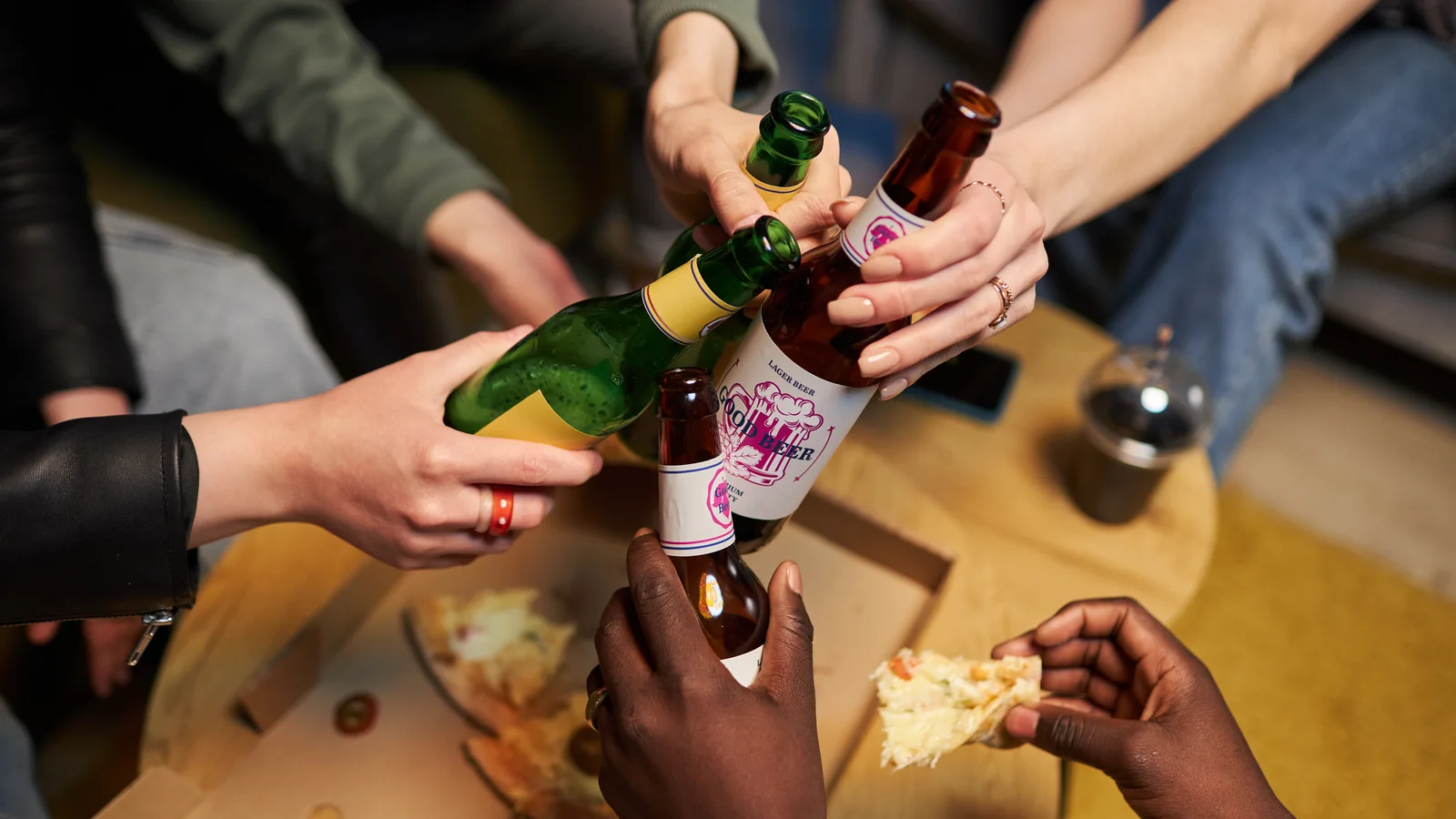
Binge drinking is not harmless just because it is common
Binge drinking means drinking enough in a short time to bring blood alcohol concentration to a high-risk level. Teens may reach that level with fewer drinks than adults because of age, size, sex, pace, food intake, and other factors. A teen who only drinks on some weekends can still be at serious risk if those episodes involve heavy use, blackouts, vomiting, fights, sexual vulnerability, driving risk, or mixing with other substances.
Warning signs parents may notice
- Alcohol missing from the home or bottles refilled with water.
- Mood changes, irritability, secrecy, or new conflict after social plans.
- Declining grades, skipped classes, discipline issues, or loss of motivation.
- Smelling alcohol, slurred speech, poor coordination, vomiting, or memory gaps.
- A teen minimizing drinking while consequences keep increasing.
What parents can do before the first treatment call
Write down what you know without turning the home into an interrogation room: when drinking happened, how much was likely used, who was present, whether there was driving or sexual risk, whether other substances were involved, and what changed afterward. Secure alcohol and medications in the home. Avoid long debates while the teen is intoxicated or hungover. The goal is to get a clearer picture and reduce immediate risk, not to win a moral argument at midnight.
Alcohol use and mental health can reinforce each other
Some teens drink because they are chasing sensation. Others drink because it gives them temporary relief from anxiety, sadness, trauma memories, social awkwardness, anger, boredom, or loneliness. That does not make drinking safe. It means the treatment conversation should ask what the alcohol is doing for the teen emotionally and what happens when they do not have access to it.
If parents only say, "Stop drinking," the teen may feel stripped of the fastest coping strategy they know. If parents only focus on anxiety or depression and ignore alcohol, the substance pattern may keep undermining treatment. Both sides need to be assessed together.
When medical or emergency care comes first
Call emergency services or seek urgent medical care if a teen is hard to wake, breathing slowly, vomiting repeatedly, confused, injured, possibly poisoned, mixing alcohol with opioids, benzodiazepines, or other drugs, or may harm themselves or someone else. Residential mental health treatment is not emergency intoxication care, alcohol poisoning treatment, or withdrawal management.
Treatment-fit questions for parents
- Is my teen medically stable, sober, and safe enough for this level of care?
- How will the program assess alcohol use alongside depression, anxiety, trauma, ADHD, or self-harm risk?
- How are family access, money, peers, transportation, and school re-entry addressed?
- What aftercare plan helps reduce relapse risk after discharge?
NorthLeaf can support medically stable adolescents when alcohol use is part of a broader mental health and behavioral health picture that fits residential care. If the teen needs detox, withdrawal management, emergency care, or hospital-level stabilization, that need should be addressed first.