Residential Treatment

Residential Treatment Resources

Guides for parents learning when residential treatment may be appropriate and what a structured setting can provide.

Most parents do not start by researching residential treatment. They arrive here after outpatient therapy, school interventions, medication adjustments, or safety plans have helped less than everyone hoped — and the question becomes whether a more structured setting deserves serious consideration.

These guides map the full arc of that decision. They explain when outpatient care may no longer be enough, what terms like PRTF actually mean, and what daily life inside a residential program looks like. For families moving forward, there is practical guidance on preparing a teen for admission, keeping school on track during treatment, and — just as important — planning for discharge, aftercare, and the return home, where progress is either protected or lost.

Residential treatment is a significant decision, and no article can make it for you. What this collection can do is replace vague impressions with specifics, so the conversation your family has — with each other and with any program you consider — is grounded in how this level of care actually works.

Articles

Latest in Residential Treatment

Family meeting with a clinician to review aftercare planning after teen residential treatment
Residential Treatment1 min read

Discharge Planning After Teen Residential Treatment: What Parents Should Ask

A parent guide to discharge planning after teen residential treatment, including step-down care, school re-entry, safety planning, and family routines.

By NorthLeaf Editorial Team

Read Guide
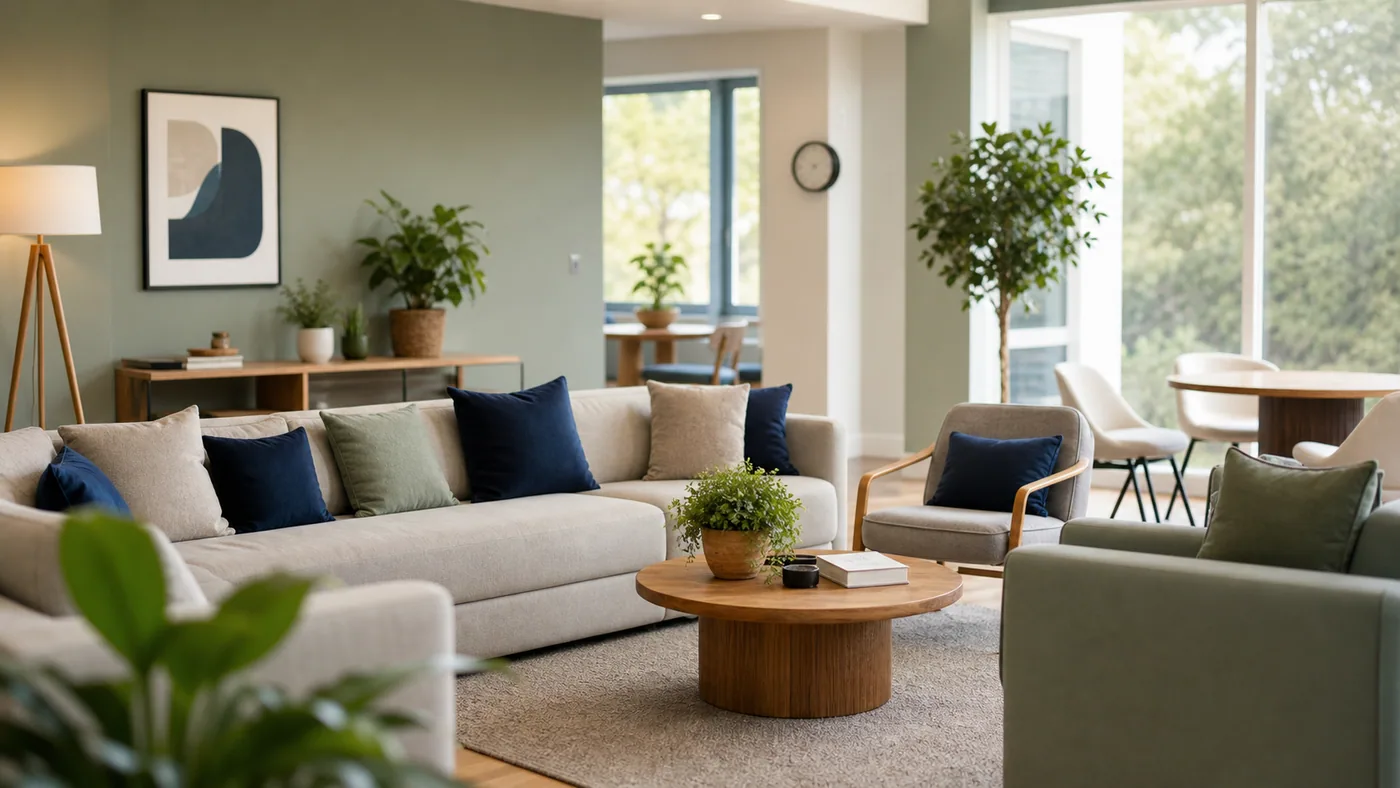
Adolescent residential treatment center lounge for structured mental health care
Residential Treatment7 min read

What Is a PRTF? Psychiatric Residential Treatment Explained

A parent-friendly explanation of psychiatric residential treatment facilities, how PRTFs differ from outpatient therapy, hospitals, RTCs, and other treatment settings, and what families should ask before admission.

By NorthLeaf Editorial Team

Read Guide
Father and teenage son walking together after treatment during a supportive conversation
Residential Treatment1 min read

After Teen Residential Treatment: How Families Can Support the Return Home

A parent guide to the first weeks after teen residential treatment, including school re-entry, family routines, safety planning, and aftercare.

By NorthLeaf Editorial Team

Read Guide
Mother and teenage son having a serious supportive conversation at home about next steps in care
Residential Treatment1 min read

When a Teen May Need Residential Treatment

A parent guide to signs that outpatient support may no longer be enough and what to ask before considering residential treatment.

By NorthLeaf Editorial Team

Read Guide
Mother sitting with withdrawn teenage daughter at home when outpatient therapy may not be enough
Residential Treatment1 min read

What to Do When Outpatient Therapy Is Not Enough for Your Teen

How parents can tell when weekly outpatient therapy may not be enough support for a teen's safety, school, routines, or family stability.

By NorthLeaf Editorial Team

Read Guide
Teen girl completing schoolwork with adult support during treatment planning
Residential Treatment1 min read

What Happens to School During Teen Residential Treatment?

What parents should know about school during teen residential treatment, including academic support, communication, missed work, and transition planning.

By NorthLeaf Editorial Team

Read Guide
Teen packing a bag with family support before entering residential treatment
Residential Treatment1 min read

How Parents Can Prepare for a Teen Entering Residential Treatment

How parents can prepare emotionally, practically, and clinically when a teen may be entering residential treatment.

By NorthLeaf Editorial Team

Read Guide

Need help finding the right next step?

Speak with admissions about what your teen is facing, what questions matter most right now, and whether a higher level of support may be appropriate.