
Teen Opioid and Prescription Pain Pill Misuse: What Parents Need to Know
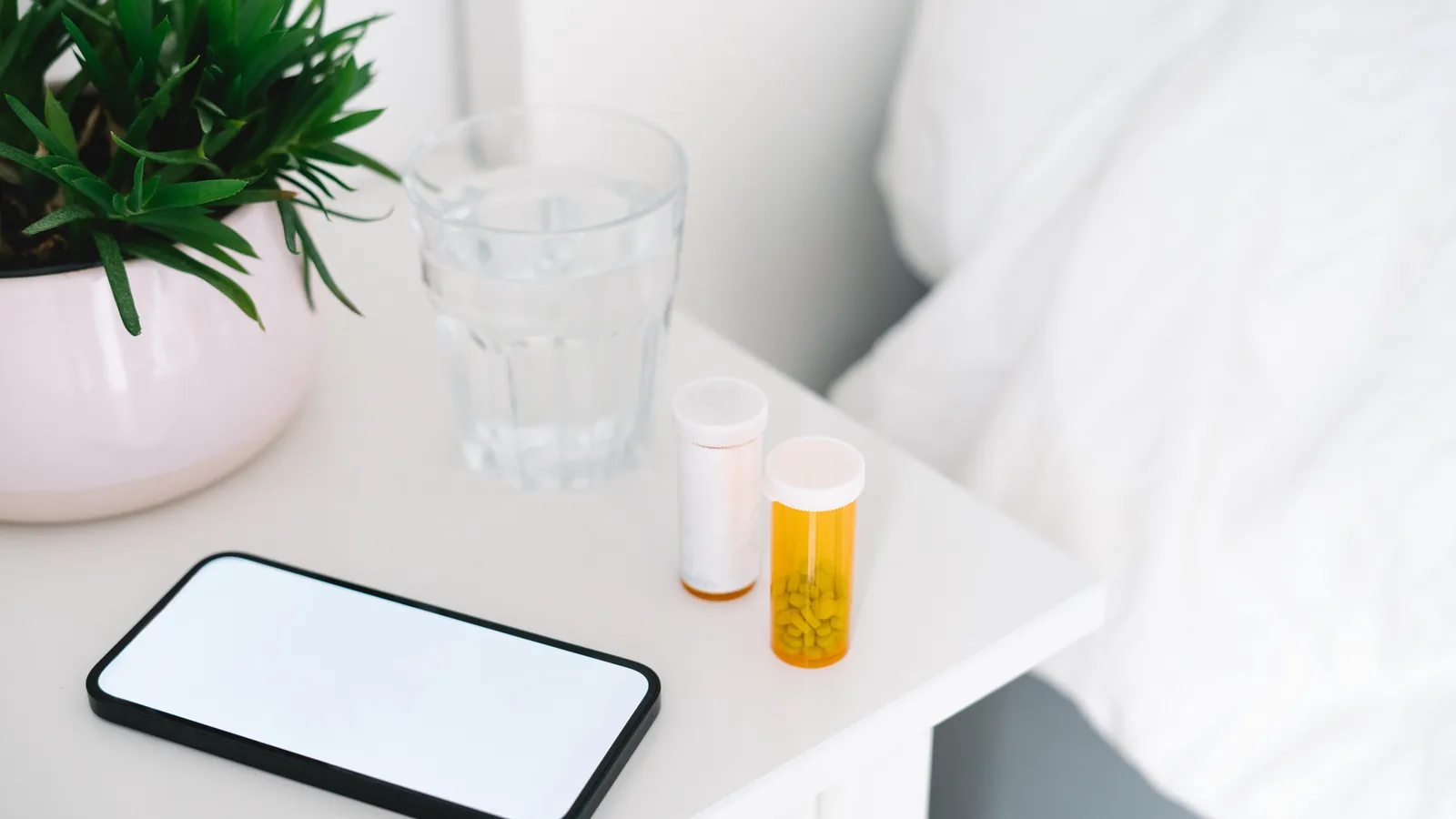
Opioid misuse can scare parents because the risk can escalate quickly. A teen may start with leftover pain medication after an injury, pills from a friend, pills bought online, or substances they do not fully understand. Parents may hear names like oxycodone, hydrocodone, Percocet, Vicodin, fentanyl, tramadol, or fake pills pressed to look like prescriptions. The most important point is simple: opioid concerns deserve immediate, practical attention.
Parents may search for teen opioid abuse, prescription pain pill addiction, fentanyl risk, or adolescent opioid treatment. Those searches all point toward the same urgent reality: opioids can become dangerous before a family fully understands the pattern. A teen does not need to meet every criterion for opioid use disorder before parents should act.
A prescription label does not make opioid use safe for a teen who is taking someone else's medication, taking more than prescribed, using it to get high, mixing it with alcohol or other substances, or using it to numb anxiety, trauma, depression, physical pain, or emotional pain. Opioids can slow breathing and can cause fatal overdose.
What parents may notice
- Missing pills, changed pill counts, or a teen searching medicine cabinets.
- Drowsiness, nodding off, mental fog, nausea, constipation, tiny pupils, or slowed breathing.
- Unexplained money loss, secrecy, new peer concerns, or packages/pills with unclear source.
- Mood swings, withdrawal from family, school decline, or sudden desperation when access is limited.
- Possible withdrawal symptoms such as body aches, restlessness, vomiting, diarrhea, chills, or intense distress.

Fake pills and fentanyl raise the urgency
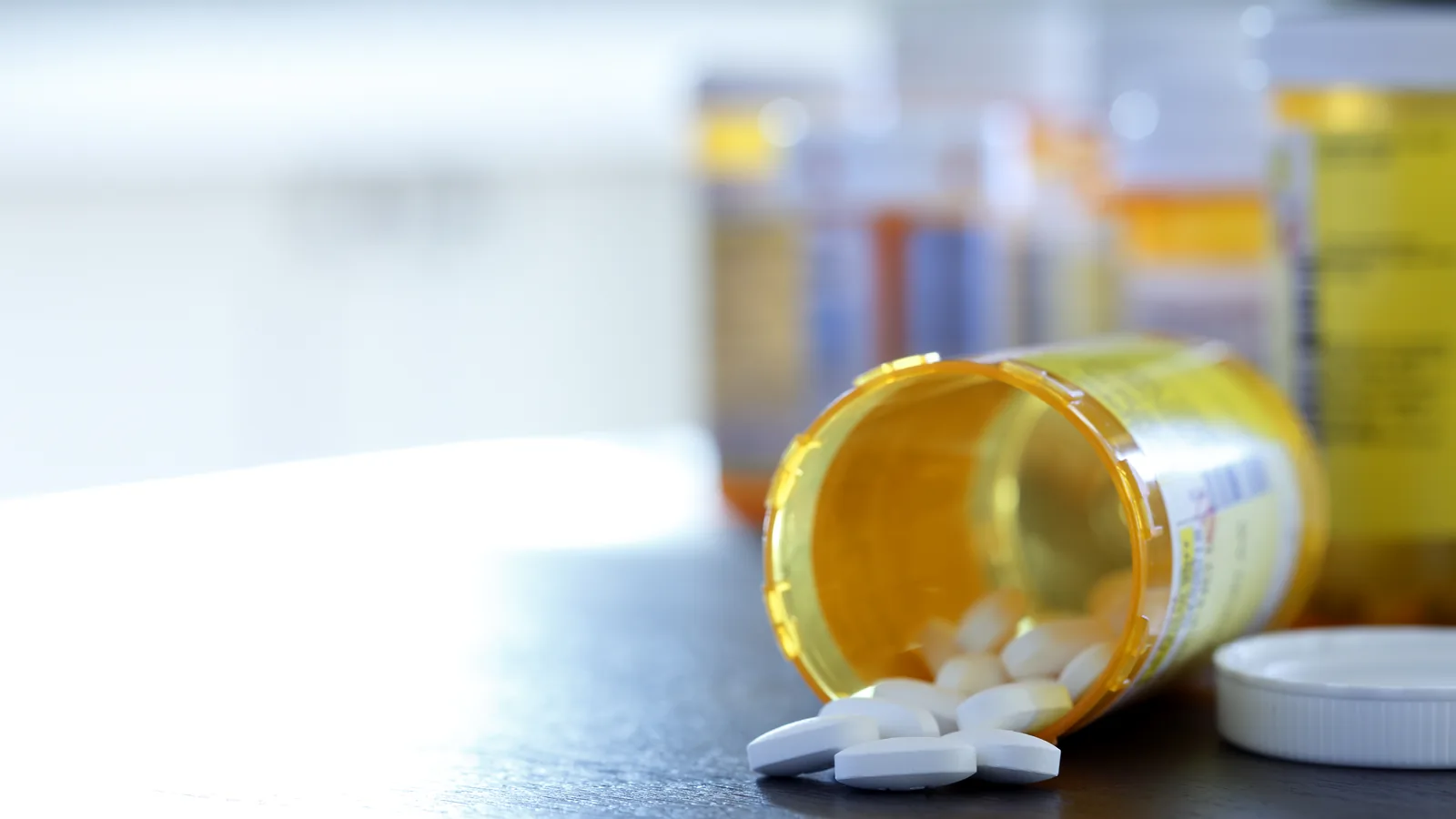
Parents should not assume a pill is what a teen says it is. Counterfeit pills can look like familiar medications while containing fentanyl or other substances. A teen may believe they are taking a prescription pill and still be exposed to life-threatening overdose risk. If a teen is using pills that were not prescribed to them, were bought online, came from peers, or have an uncertain source, the situation should be treated as serious.
This is one reason parents should avoid reassurance based on the teen's confidence. A teen may say, "I know what it is," or "It came from someone I trust." That does not verify dose, source, contents, or contamination. Counterfeit pill risk changes the parent response from curiosity alone to safety planning, medical guidance, and naloxone awareness.
Overdose warning signs require emergency response
Call 911 if a teen is hard to wake, has slow or shallow breathing, gurgling or choking sounds, blue or gray lips, limp body, vomiting, or loss of consciousness. Naloxone can reverse opioid overdose if given quickly, but it is not a substitute for emergency care. More than one dose may be needed, and the teen still needs medical attention.
Why opioid misuse often overlaps with mental health
Some teens misuse opioids for the high. Others are trying to escape physical pain, panic, trauma, grief, depression, shame, or social pressure. That does not make the misuse acceptable, but it changes the clinical question. Treatment should ask what the opioid is doing for the teen, what happens when the teen cannot access it, and what mental health symptoms are underneath or beside the substance use.
Parents can respond with urgency without humiliation. A useful message is: "This is serious and we are going to get help. I am not here to debate whether you are a bad person. I need to understand what you took, where it came from, and whether you are safe right now."
Home safety steps while parents seek help
- Lock up prescription medications, over-the-counter medications, alcohol, and any substances in the home.
- Ask a pharmacist, pediatrician, or local public health resource about naloxone access and how to use it.
- Avoid letting a teen sleep alone after suspected opioid use, mixed substance use, or unusual sedation.
- Share accurate information with emergency, medical, or admissions professionals even when it feels embarrassing.
What NorthLeaf can and cannot be
NorthLeaf is not detox, withdrawal management, medication-assisted opioid treatment, emergency overdose care, or hospital stabilization. Those needs come first when present. NorthLeaf may be appropriate to discuss after medical stability is established if a teen's opioid or prescription misuse is part of a broader mental health picture that fits residential care.
Treatment-fit questions to ask
- Does my teen need emergency care, detox, withdrawal management, or MOUD evaluation before residential care?
- How will the team assess anxiety, depression, trauma, self-harm risk, and other substances?
- What family safety planning should happen around medications, money, phones, peers, and transportation?
- What aftercare supports are needed if opioid misuse is part of the history?