
Teen Marijuana Use, Self-Medication, and Mental Health
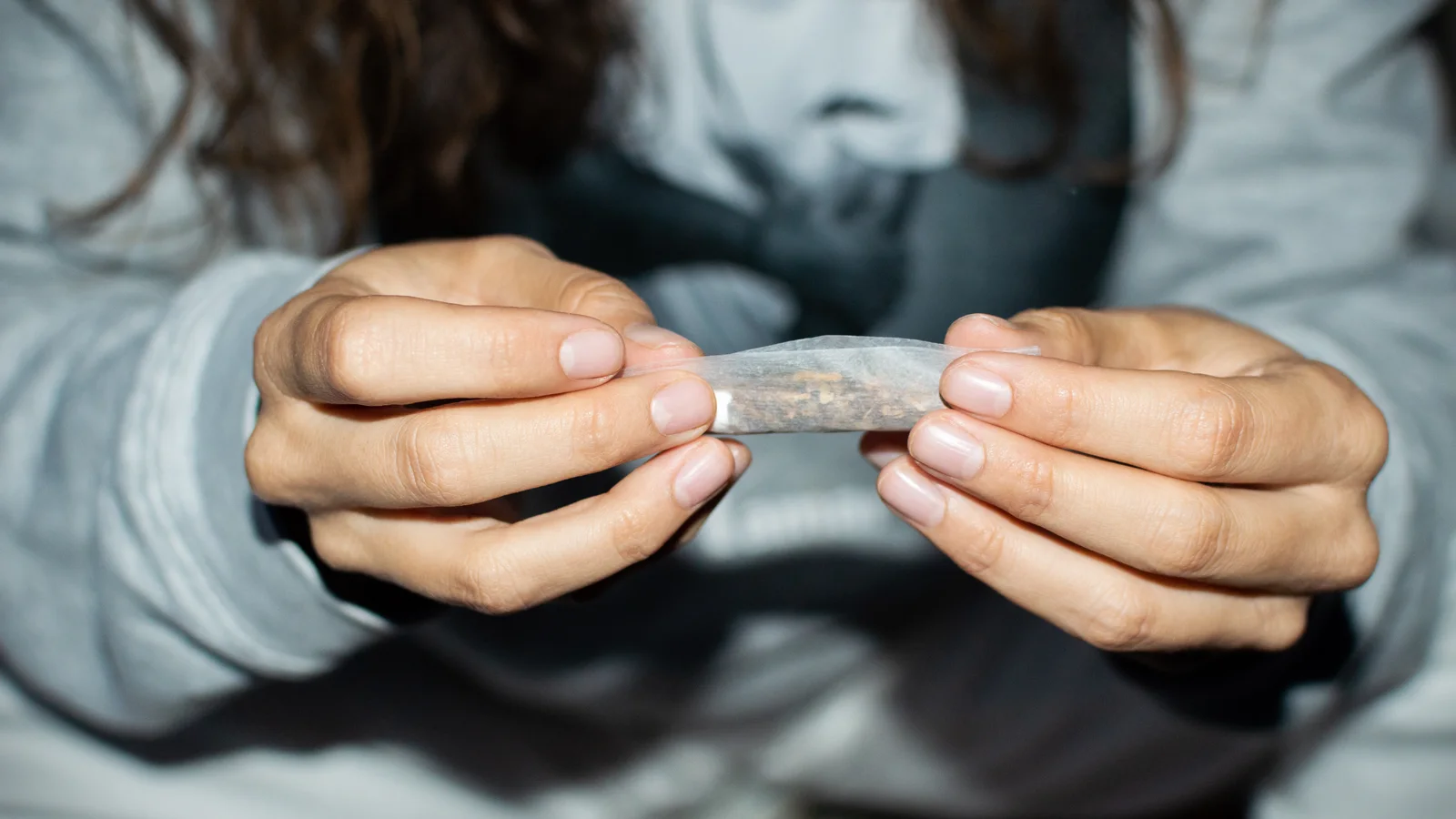
Parents often hear two extreme stories about teen marijuana use. One says it is harmless because cannabis is common and legal for adults in many places. The other treats every use as proof that the teen is destined for addiction. Neither extreme helps parents make a clear decision.
The middle ground is more useful and more honest. Parents can take cannabis use seriously without catastrophizing, and they can avoid panic without becoming passive. The focus should be the teen's functioning, safety, honesty, mental health, and ability to cope without relying on marijuana.
A better question is: what role is marijuana playing in this teen's life? Is it occasional experimentation, a peer pattern, a way to sleep, a way to avoid anxiety, a way to numb depression, a way to fit in, or something the teen now feels unable to stop?
Parents may search for teen marijuana addiction, adolescent cannabis use, THC use in teens, or marijuana self-medication. The wording matters less than the functional pattern: whether cannabis is becoming a repeated answer to stress, sleep, boredom, mood, social discomfort, or school avoidance.
Self-medication does not make use harmless
Some teens use marijuana because it seems to quiet racing thoughts, soften social anxiety, reduce anger, help sleep, numb trauma memories, or make boredom tolerable. That may explain the behavior, but it does not make the pattern safe. A teen can be using substances to cope and still be making anxiety, depression, school avoidance, motivation, family trust, or safety worse over time.

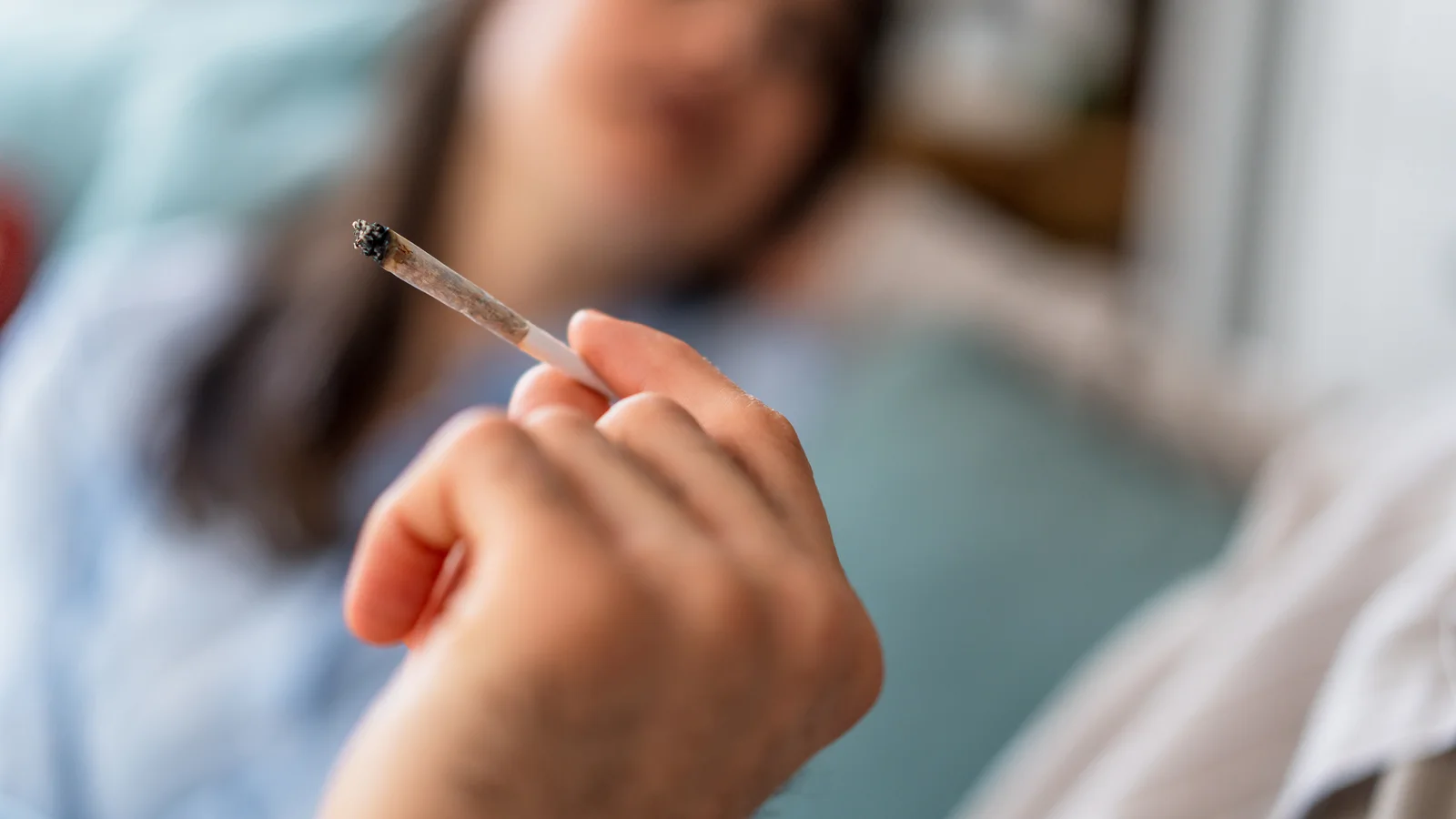
What parents may notice
- Declining grades, skipped classes, reduced motivation, or school avoidance.
- More secrecy, defensiveness, changed peer groups, or disappearing money.
- Sleep changes, irritability, panic, low mood, or loss of interest.
- Using despite consequences, broken agreements, or family conflict.
- Minimizing use while parents see clear functional decline.
Do not argue only about the substance
Arguments about whether marijuana is dangerous can become circular. Teens may compare themselves to adults, friends, online claims, or legal markets. Parents can shift the conversation toward functioning: school, safety, honesty, mood, sleep, motivation, driving, money, peers, and whether the teen can tolerate emotions without using.
A useful parent line might be: "We are not going to solve this by debating every fact about cannabis. We need to look at what is happening in your life and what happens when you try not to use."
When substance use and mental health need to be assessed together
Teen marijuana use can overlap with anxiety, depression, ADHD, trauma, school refusal, social stress, and family conflict. If parents only focus on stopping the substance, the teen may lose their main coping tool without gaining better skills. If parents only focus on emotions and ignore the substance use, risk can continue in the background.
Integrated assessment matters. Families should ask what symptoms remain when use is reduced, what the teen is trying to manage, what risks have occurred, and whether outpatient care is enough.
It can help to separate honesty from permission. A teen needs enough safety to tell the truth about use, but honesty does not mean there are no limits. Families can say, "We need accurate information so we can keep you safe, and we are still going to set boundaries around use."
Medical and emergency boundaries
If a teen is intoxicated, psychotic, medically unstable, unsafe, driving under the influence, or at risk of withdrawal from other substances, emergency or medical care may be needed. Residential mental health treatment is not detox or acute intoxication care.
What treatment should help clarify
- What substances are involved and how often the teen uses.
- Whether use is connected to anxiety, depression, trauma, sleep, or peer pressure.
- What safety, school, family, or legal risks have occurred.
- What supports are needed after treatment to reduce access and rebuild trust.