
High school students with persistent sadness
40%
CDC 2023 YRBS data show persistent sadness or hopelessness remains widespread among high school students.
Immediate safety awareness
Immediate safety guidance and parent education for families concerned about suicidal thoughts, statements, planning, or risk.

Teen suicide risk context
National data cannot tell a parent whether their teen is safe tonight. They can show why any suicidal statement, plan, rehearsal, access to lethal means, or inability to stay safe should be treated as urgent and assessed in real time.
40%
CDC 2023 YRBS data show persistent sadness or hopelessness remains widespread among high school students.
20%
CDC 2023 YRBS data show one in five high school students seriously considered attempting suicide.
20.1%
NIMH reports that about one in five U.S. adolescents ages 12-17 had a past-year major depressive episode in 2021.
40.6%
NIMH reports fewer than half of adolescents with a past-year major depressive episode received treatment.
Understanding the concern
A diagnosis or symptom pattern is only one part of the picture. Families also need to consider safety, functioning, school, relationships, routines, and what level of support is realistic at home.
Suicidal ideation means thoughts about suicide, and it requires direct, calm attention. If your teen may harm themselves, has a plan, has access to means, has attempted suicide, or you are not sure they can stay safe, call 911, go to the nearest emergency room, or call or text 988 in the United States.
Parents should ask directly: "Are you thinking about killing yourself?" or "Do you feel like you might hurt yourself tonight?" Asking directly does not plant the idea. It helps adults understand risk and respond with appropriate support.
Parents often freeze because they are afraid of saying the wrong thing. The most important first step is not elegant language. It is staying present, asking directly, and taking risk seriously. A calm sentence is enough: "I need to ask you something directly because I love you. Are you thinking about suicide?"
If the answer is yes, maybe, silence, or anything else that leaves you unsure, ask about immediate safety. Does the teen have a plan? Do they have access to lethal means? Have they taken anything? Are they intoxicated? Have they attempted before? Can they stay with you safely right now? If you are not confident in immediate safety, use emergency support.
Some teens say they want to die. Others say they cannot keep going, everyone would be better off without them, they feel like a burden, they want to disappear, they are tired of being alive, or they do not see any future. Some write goodbye messages, give away belongings, search for methods, isolate suddenly, become reckless, use substances, or seem strangely calm after intense distress.
Parents do not need to decide whether a statement is "dramatic" or "serious enough" before acting. A suicidal statement is serious because the teen is communicating pain, danger, or loss of control. Even if the teen later says they did not mean it, the family still needs a safety conversation and professional guidance.
When suicide risk is possible, families should reduce access to lethal means immediately and with professional guidance. This can include firearms, medications, sharp objects, ligatures, car keys, alcohol or substances, and other hazards depending on the teen's risk. Means safety is not punishment. It is time and distance between an unsafe impulse and a lethal outcome.
If there is any immediate concern about access, a plan, intoxication, severe agitation, psychosis, or the teen's ability to stay safe, emergency care is the appropriate next step. A scheduled admissions call, outpatient appointment, or website article should not replace real-time crisis response.
Residential treatment may be part of the plan after emergency risk is addressed, but it is not the same as emergency or inpatient care. A teen with active imminent risk may need an emergency department, crisis evaluation, or inpatient psychiatric hospitalization first. Residential care is considered when the teen is stable enough for that setting but still needs more structure than outpatient care can provide.
After immediate safety is stabilized, a residential program may help with safety planning, depression, trauma, anxiety, substance use, self-harm, family communication, school re-entry, medication evaluation when appropriate, and step-down planning. The plan should be specific enough for the next unsafe moment, not only hopeful for the next good day.
When contacting emergency services, a therapist, doctor, crisis line, or admissions team, be direct. Share the exact words your teen used, whether there is a plan, access to lethal means, prior attempts, self-harm, substance use, major losses, recent discharge from a hospital, medications, psychosis, aggression, and whether you can provide constant supervision right now.
Do not minimize details because they are embarrassing or frightening. Accurate information helps professionals determine the safest level of care. If a teen asks you not to tell anyone, you can say, "I care about your privacy, and I cannot keep danger secret. We are getting help together."
Signs and symptoms
The signs below should not be used for diagnosis. They are starting points for a conversation with a qualified professional or admissions specialist.
Parent planning
A clear pattern is more useful than a perfect label. Before an admissions or clinical conversation, parents can write down what they are seeing, how often it happens, and how it affects daily life.
Daily life impact
Suicidal thoughts can leave families afraid to sleep, work, send a teen to school, or allow normal independence. Parents may need professional help deciding on supervision, means safety, school communication, emergency steps, and the level of care needed after the immediate crisis.
The household may shift into crisis mode: doors stay open, medications are locked, sleep becomes light, siblings sense fear, and parents second-guess every conversation. This is not sustainable as a long-term plan. Families need a professional safety plan, clear escalation steps, and support for the caregivers who are trying to stay steady.
After the immediate crisis, the family also needs help returning to ordinary life carefully. Too much freedom too quickly can feel unsafe. Too much surveillance forever can feel suffocating. The plan should adjust as risk changes and should involve qualified professionals.
Residential treatment fit
Residential treatment may be considered only after immediate safety needs are addressed and when a teen needs more structure, monitoring, therapeutic support, and family planning than outpatient care can provide. Active imminent risk may require emergency or inpatient care first.
It may be worth discussing when suicidal thoughts are part of a broader pattern of depression, trauma, anxiety, self-harm, substance use, school refusal, or family instability, and when the teen is stable enough for a residential setting but not stable enough for outpatient support alone.
Families should ask directly how a program determines fit, what risk level is outside scope, how safety plans are practiced, how escalation is handled, how parents are involved, and what happens if suicidal risk increases before or during treatment.
Treatment approach
Care planning may include crisis assessment, safety planning, means safety, therapy, medication evaluation when appropriate, DBT-informed skills, family support, school coordination, and step-down planning. The plan must be specific enough for the next unsafe moment.
A useful safety plan is practical. It names warning signs, internal coping steps, people and places that help, trusted adults, professional contacts, crisis resources, means-safety steps, supervision expectations, and what happens when the teen cannot stay safe. It should be practiced and updated, not filed away.
Treatment should also address what makes suicidal thoughts more likely: depression, shame, trauma reminders, panic, substance use, isolation, conflict, sleep disruption, bullying, identity stress, school pressure, or hopelessness. Safety is the first priority, but the plan cannot stop at crisis containment.
NorthLeaf support
Treatment planning should connect symptoms with daily functioning, safety, family needs, school needs, and the next level of support after residential care.
Deeper parent guide
These sections are written for parents who need more than a symptom checklist. They focus on the patterns that can keep a teen stuck, what families often miss, and what good treatment planning should clarify before any level-of-care decision.
Suicidal ideation in teens can range from passive thoughts about not wanting to wake up to active intent, planning, preparation, or attempts. Parents should not be asked to sort that out alone. Direct questions and professional assessment are protective, not harmful.
A teen may talk about suicide in anger, despair, numbness, shame, or exhaustion. Even if the words appear during conflict, the response should take safety seriously and avoid dismissing the statement as drama.
The page should make two things clear at the same time: immediate crisis pathways matter, and longer-term treatment can still help families understand the pattern, reduce risk, and build a safer plan.
A direct parent response can be: 'I am taking you seriously. I need to ask if you have a plan or access to anything you could use to hurt yourself. We are not going to handle this alone.'
NorthLeaf treats adolescents with suicidal ideation when residential care is clinically appropriate and the teen is not in an immediate hospital-level crisis. Residential treatment can be part of a broader safety and stabilization plan after immediate crisis needs are addressed. If risk is imminent, emergency or inpatient evaluation may be necessary before residential admission is appropriate.
Families need clear guidance on direct safety questions, supervision, communication, sibling support, privacy, means safety, and when to use emergency resources rather than waiting for an appointment.
Parents may need coaching on how to talk about suicide without panic, how to avoid arguments during risk, how to coordinate supervision, how to support siblings without disclosing unnecessary details, and how to manage their own fear while still taking action.
School planning may involve counselor support, transition after crisis care, workload adjustments, safety communication, and attendance planning so the teen is not pushed back into overwhelming demands without support.
Returning to school after suicidal ideation or crisis care should be planned carefully. The team may need to coordinate attendance, workload, counselor access, privacy, peer stress, medication timing, and what staff should do if risk statements or warning signs appear at school.
Related conditions
Support for teens whose anxiety is making life smaller at school, at home, with friends, or in daily routines.
Support for adolescents experiencing persistent sadness, withdrawal, low motivation, or emotional heaviness.
Support for teens navigating painful experiences, emotional reactivity, avoidance, or distress.
Related resources

A safety-first parent guide to suicide safety planning for teens, including direct questions, warning signs, emergency steps, and treatment follow-up.
By NorthLeaf Editorial Team
Read Guide
What parents can say and do when a teen talks about suicide, including direct safety questions, emergency steps, and treatment follow-up.
By NorthLeaf Editorial Team
Read Guide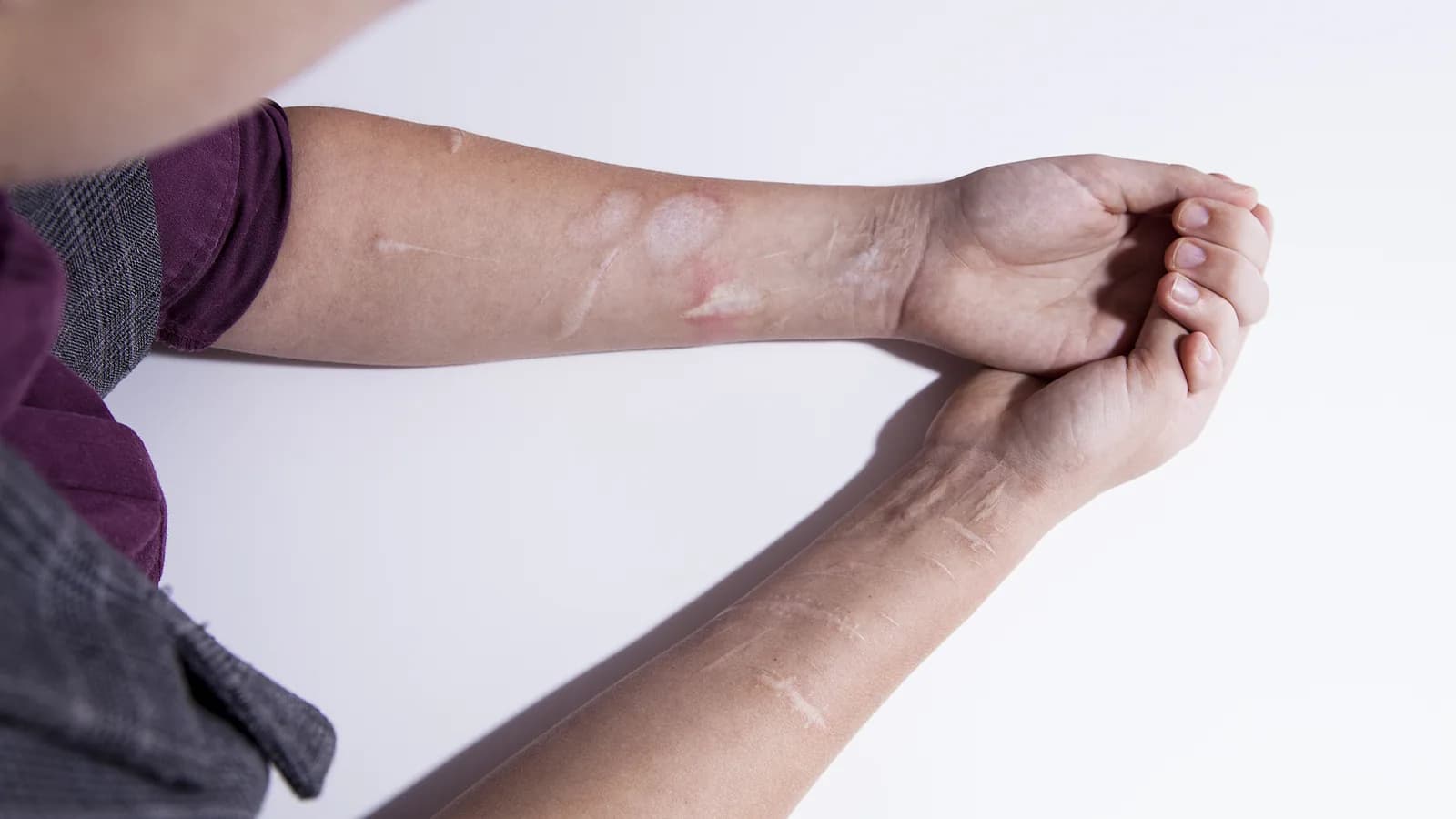
Safety-first guidance for parents who discover or suspect teen self-harm, including what to say, what to avoid, and when to seek emergency help.
By NorthLeaf Editorial Team
Read Guide
How parents can talk with a teen after a mental health crisis without interrogating, minimizing, overpromising, or turning every conversation into a lecture.
By NorthLeaf Editorial Team
Read GuideRelated services
Common questions
Speak with admissions about what your teen is experiencing, whether residential support may be appropriate to explore, and how to begin insurance verification.