Our Vision
A world where every teen has the support they need to reach their full potential.
Home / About
At NorthLeaf Adolescent Treatment Center, we provide specialized, evidence-based care for teens struggling with mental health challenges. Our mission is to help adolescents and their families heal, grow, and build a brighter future.
To provide exceptional, evidence-based mental health treatment that empowers adolescents to overcome challenges, strengthen relationships, and thrive.
A world where every teen has the support they need to reach their full potential.
Compassion, integrity, excellence, and respect in everything we do.
Personalized care, family partnership, and a commitment to lasting change.

NorthLeaf support
NorthLeaf helps teens and families build steadier skills, stronger communication, and a more supported path forward.
Built for adolescents. Designed for families.
Adolescents need care that recognizes their stage of development, school responsibilities, family relationships, and emotional needs. NorthLeaf's philosophy is built around residential structure, evidence-based treatment, family involvement, academic support, trauma-informed care, and practical skills teens can use beyond treatment.

Treatment is shaped around the developmental, emotional, family, and school needs of teens ages 11-17.
Families need clarity, steadiness, and practical support while their teen receives a higher level of care.
Care should help teens stabilize, build skills, reconnect with family, and prepare for life after treatment.
NorthLeaf's model helps teens move from immediate concern toward stronger skills, family connection, and a more supported next chapter.
Step 1
Create safety, structure, routine, and emotional grounding.
Step 2
Look at the full picture of a teen's mental health, family, school, strengths, risks, and treatment needs.
Step 3
Develop coping strategies, emotional regulation, communication skills, and healthier routines.
Step 4
Strengthen family communication, trust, support, and transition planning.
Step 5
Prepare for life after treatment with greater stability, confidence, and support.
Residential mental health treatment designed for teens ages 11-17.
Clinical programming grounded in proven therapeutic approaches and individualized treatment planning.
Parents and guardians are part of the treatment conversation, not an afterthought.
School needs are considered alongside clinical stabilization and family work.
Predictable routines, supervision, and therapeutic support create space for focused healing.
Trust & transparency
NorthLeaf earns trust through clear communication, responsible clinical language, accurate program details, and a calm admissions process. The site focuses on the confirmed care model, the residential treatment environment, and the experience families can expect without relying on promises or inflated claims.
Families can understand the purpose of residential treatment, what questions to ask, and how admissions works.
NorthLeaf avoids promises, pressure, and exaggerated outcome claims.
Public program details stay limited to information that is accurate, confirmed, and appropriate to share.
Clinical philosophy
Families should not have to choose between clinical seriousness and compassionate support. NorthLeaf's philosophy centers safety, evidence-based care, family involvement, academic continuity, a trauma-informed approach to adolescent mental health treatment, and practical skills that can continue after treatment.
A calm routine and supportive environment create the foundation for deeper therapeutic work.
Clinical planning considers symptoms, strengths, relationships, school needs, co-occurring concerns, and next-step support together.
Treatment focuses on emotional regulation, communication, coping strategies, and daily rhythms families can keep practicing.

Family-centered treatment
Residential treatment is not only about time away from home. It is also an opportunity to rebuild communication, help parents understand what their teen is facing, and prepare for what support may be needed after discharge.
Academic continuity
For teens, school is not separate from mental health recovery. Falling behind academically can increase stress, shame, avoidance, and depression, especially for adolescents already struggling with anxiety, trauma, school refusal, or low motivation. NorthLeaf includes academic support because effective adolescent residential treatment should help teens maintain structure, confidence, and forward momentum while they receive care.
Treatment planning can account for coursework, school expectations, and practical needs that come with time away from home.
Daily rhythm, study time, and predictable expectations help teens stay connected to learning while receiving care.
Parents can better understand academic planning questions and what information may need to be shared with schools.
Safe residential environment
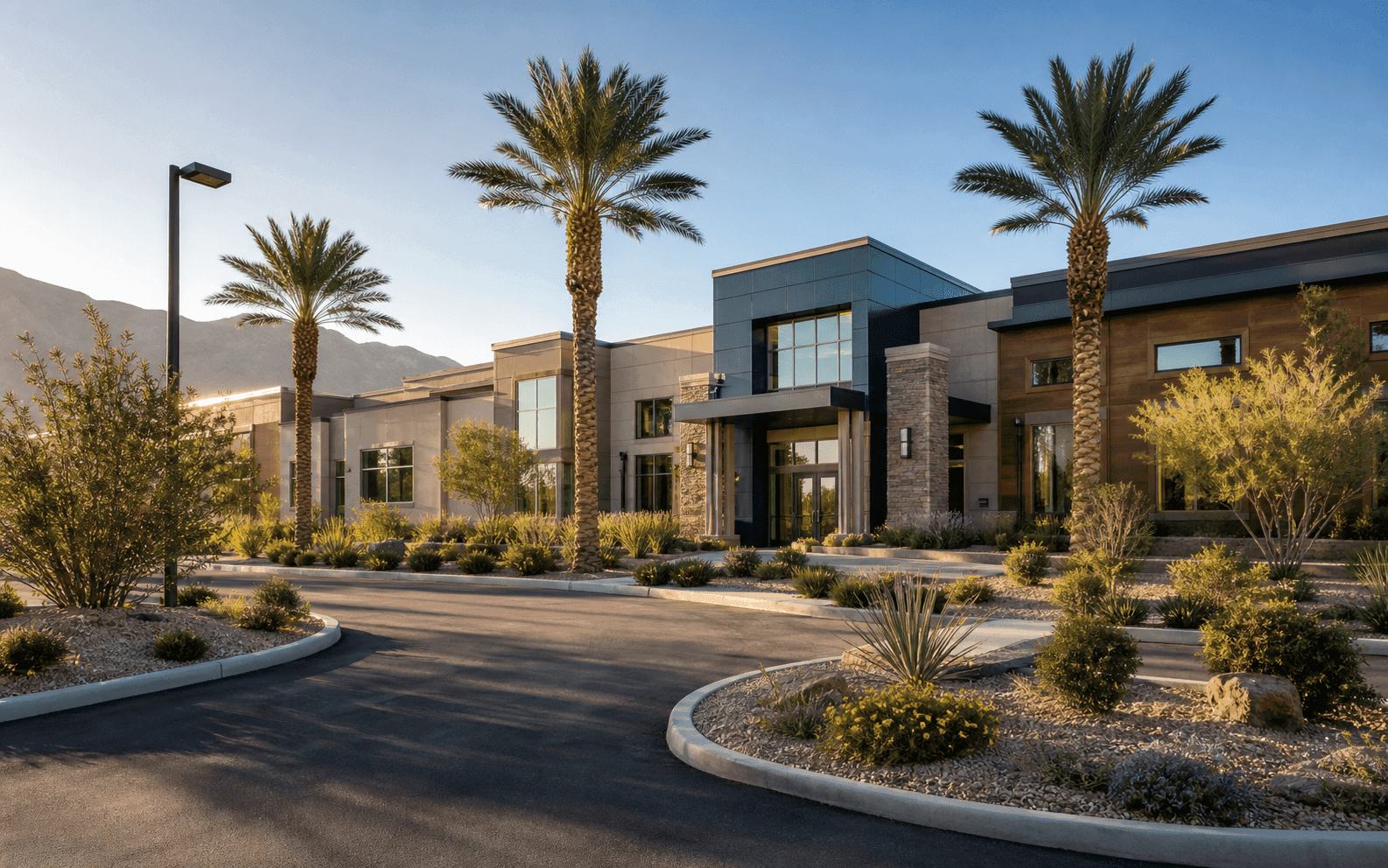
NorthLeaf's residential environment helps teens step out of crisis patterns and into a predictable therapeutic rhythm. Structure, supervision, and clinically guided routines can help create the steadiness needed for meaningful treatment work.
Daily programming, therapeutic routines, and supervision help create a setting where teens can focus on care.
Parents and guardians are part of the treatment conversation, not an afterthought after discharge planning begins.
School needs are considered alongside clinical stabilization and family work.
From the first call through planning for what comes next, families should feel informed, respected, and supported.
A supportive conversation about what your family is facing and what kind of help may be worth exploring.
Careful review of needs, risks, history, and fit before any next step is discussed.
Help gathering benefit information and understanding what questions to ask about coverage.
A treatment experience designed to include parents and caregivers as part of the process.
Attention to school continuity so treatment planning does not ignore academic needs.
A forward-looking plan that helps families think about support after residential care.
Common questions
These answers are general. Admissions can help families understand fit, timing, and next steps.
Speak with admissions about your teen's needs, what level of support may be appropriate, and how NorthLeaf can help your family understand the next step.