
THC Potency, Concentrates, Teen Anxiety, and School Decline
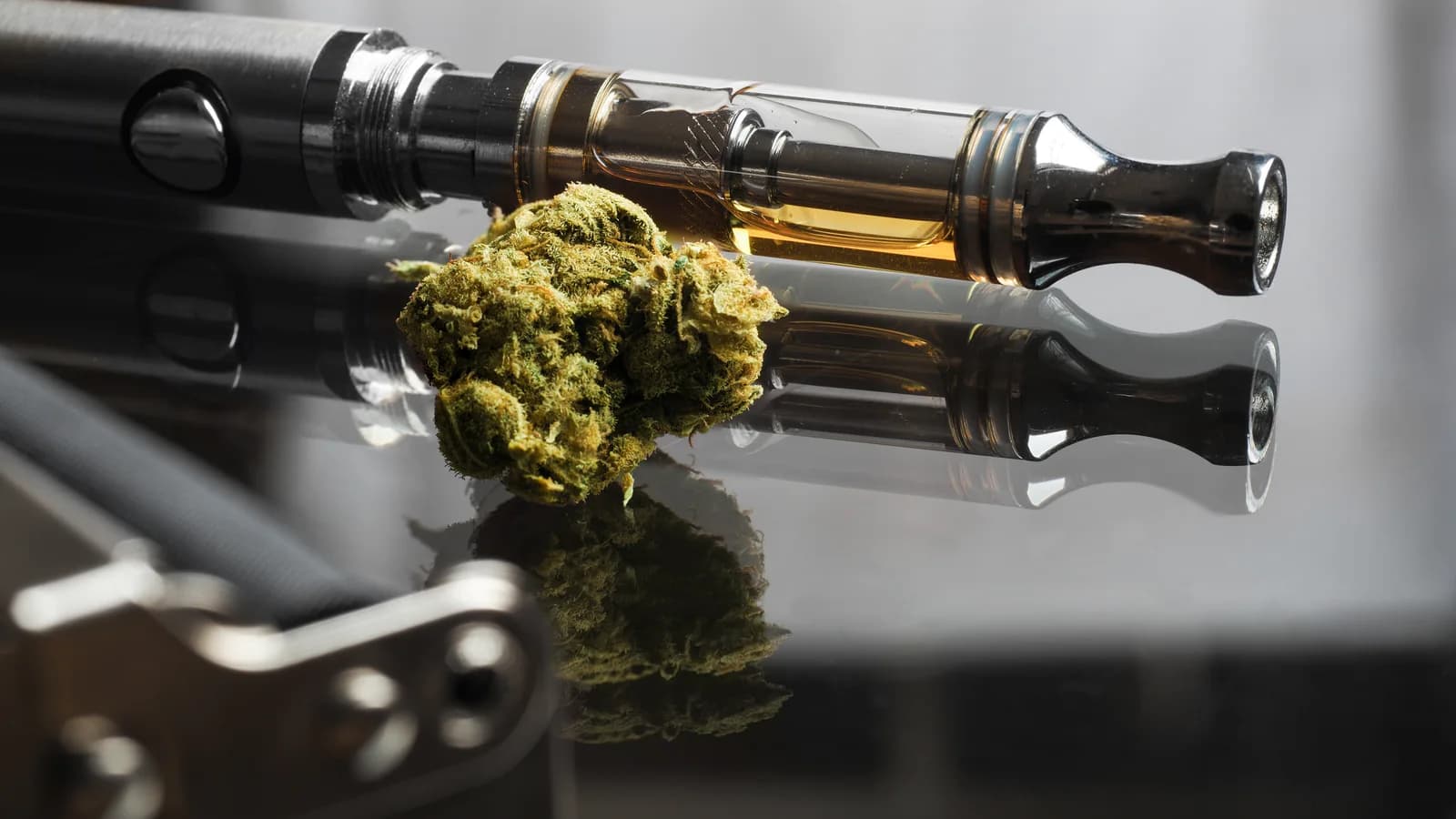
Many parents still picture marijuana as something mild compared with other substances. That assumption can miss what teens may actually be using now: high-potency cannabis, vape cartridges, wax, dabs, edibles, and concentrates with much higher THC exposure than a parent may imagine. The concern is not only whether a teen uses marijuana. It is what they use, how strong it is, how often, and what it does to school, anxiety, motivation, sleep, mood, and family trust.
Some teens use cannabis because it seems to help. They may say it calms anxiety, makes social situations easier, helps them sleep, reduces anger, or makes depression feel less sharp. Parents can take that explanation seriously without accepting cannabis as the solution. A substance can provide short-term relief and still make functioning worse over time.
Why potency matters
THC is the main psychoactive compound in cannabis. Higher THC concentration can mean a stronger effect on attention, memory, coordination, time perception, emotions, and reaction time. Teens may also underestimate edibles because the effect is delayed, or overuse vape cartridges because they are easy to hide and repeat throughout the day.
Parents do not need to know every product name to ask better questions: Is this flower, vape, edible, concentrate, or dab? How often is it used? Before school? During school? Alone? With alcohol? To sleep? To calm down? What happens when the teen tries not to use?
Searches for high-potency THC, marijuana concentrates, dabs, carts, edibles, or teen cannabis anxiety often come from the same parent worry: the teen seems different than they did with occasional use. Higher exposure can make impairment, panic, sleep disruption, school decline, and family conflict harder to dismiss.

Cannabis can complicate anxiety
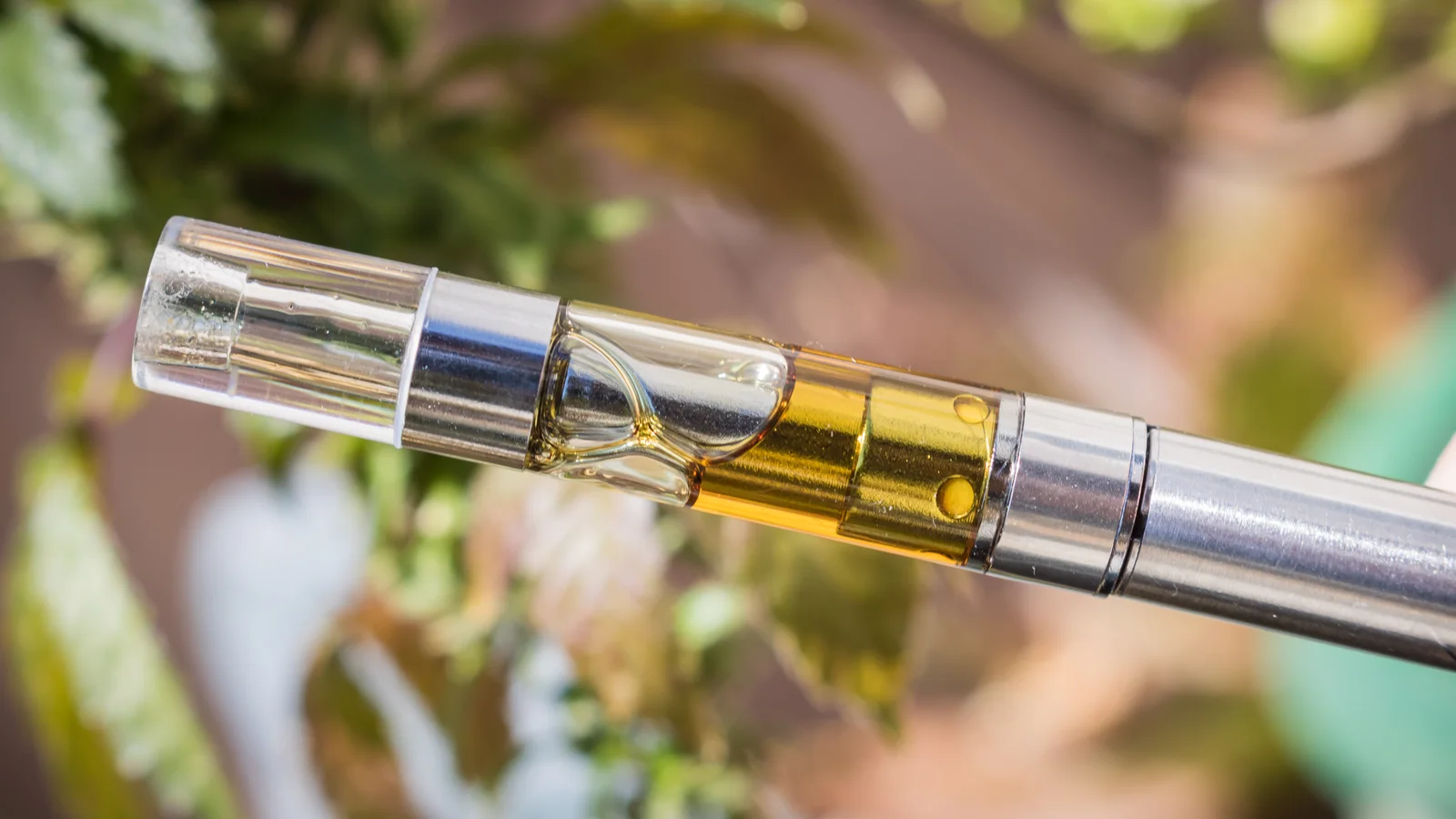
Cannabis may temporarily soften anxious feelings for some teens. It can also worsen anxiety, trigger panic, increase avoidance, reduce distress tolerance, and make it harder to practice real coping skills. A teen who uses before school because school feels unbearable may get short-term relief while the school-avoidance pattern grows stronger.
What school decline can look like
- Late assignments, skipped classes, reduced attention, or slipping grades.
- Bathroom use, leaving campus, or vaping during the school day.
- Loss of interest in activities, sports, work, or friendships not centered on use.
- Sleep schedule collapse, morning conflict, or irritability when access is limited.
- A teen insisting cannabis is the only thing that helps them function.
Do not make the whole conversation a debate about marijuana
Teens can turn the conversation into a legal, political, or adult-use debate. Parents can bring it back to functioning. The issue is not whether some adults use cannabis legally. The issue is what cannabis is doing in this teen's life: school, anxiety, motivation, sleep, honesty, driving, money, peers, and ability to cope without it.
When to seek a higher level of help
Residential treatment may be worth discussing when cannabis use is part of a larger medically stable pattern: anxiety, depression, school refusal, family conflict, self-harm risk, trauma symptoms, other substance use, or inability to stop despite consequences. If a teen is intoxicated, psychotic, medically unstable, unsafe, or at immediate risk, emergency or medical care comes first.
Parent questions that clarify the picture
- What is the teen using and how strong is it likely to be?
- Is use happening before or during school, while driving, or with other substances?
- What emotion or situation does the teen use cannabis to manage?
- What treatment skills will replace cannabis as the fastest coping tool?