
How Parents Can Prepare for a Teen Entering Residential Treatment
Preparing for teen residential treatment can bring relief and grief at the same time. Parents may feel hopeful that more support is finally available, scared about being away from their child, guilty that home no longer feels steady enough, and unsure what to say before admission. Preparation is not only logistics. It is emotional, clinical, practical, and family-wide.
The goal is not to make the transition painless. The goal is to make it clearer, safer, and less chaotic. Parents can prepare by gathering information, asking direct questions, supporting the teen without overpromising, and thinking ahead to family work and discharge.
Prepare the information admissions will need
- Current symptoms, safety concerns, school impact, and recent changes.
- Outpatient treatment history, medications, diagnoses, hospitalizations, or assessments.
- Substance use, eating concerns, self-harm, suicidal thoughts, aggression, or runaway risk if present.
- School contacts, IEP or 504 information, and current academic concerns.
- Insurance information and questions about benefits, authorization, and costs.


Talk to your teen with honesty and steadiness
Parents sometimes try to make residential treatment sound easier than it is because they fear resistance. A steadier message is more honest: "We are choosing more support because what we have been doing is not enough right now. We will stay involved. You are not being sent away as punishment."
Do not overpromise
It can be tempting to promise that treatment will be short, that the teen will love it, that school will be fixed, or that everything will go back to normal afterward. Those promises may make the moment easier, but they can damage trust later. It is better to say what you know, what you do not know, and what adults will continue to do.
A steadier script is: "We do not know exactly how this will feel. We do know that you need more support than we can provide at home right now, and we will keep showing up in the ways the treatment team recommends."
Prepare yourself for family involvement
Residential treatment is not a pause button for parents. Family therapy, parent updates, discharge planning, and communication work are part of the process. Parents can prepare by noticing their own patterns: rescuing, lecturing, monitoring, avoiding conflict, or becoming reactive when afraid.
Prepare the home environment
Before admission or early in treatment, parents can begin thinking about what home needs to look like after discharge. That may include securing medications, alcohol, firearms, sharps, or other safety concerns; clarifying technology expectations; planning sleep routines; coordinating school support; and deciding who will be involved in aftercare.
This preparation should be guided by clinical recommendations, not panic. The point is to create a home plan that supports recovery instead of returning to the exact conditions that were overwhelming before treatment.
Prepare siblings and other caregivers
Residential treatment affects the whole household. Siblings may feel worried, relieved, guilty, angry, or confused. Grandparents, co-parents, and other caregivers may need the same basic message so the teen is not pulled into conflicting explanations. Parents can keep details private while still saying, "Your sibling is getting more support right now, and the adults are working on a plan."
Families should ask the treatment team how much to share, whether siblings should participate in sessions, and how to handle questions from school, relatives, or friends. Protecting privacy and reducing secrecy can both matter.
Practical preparation
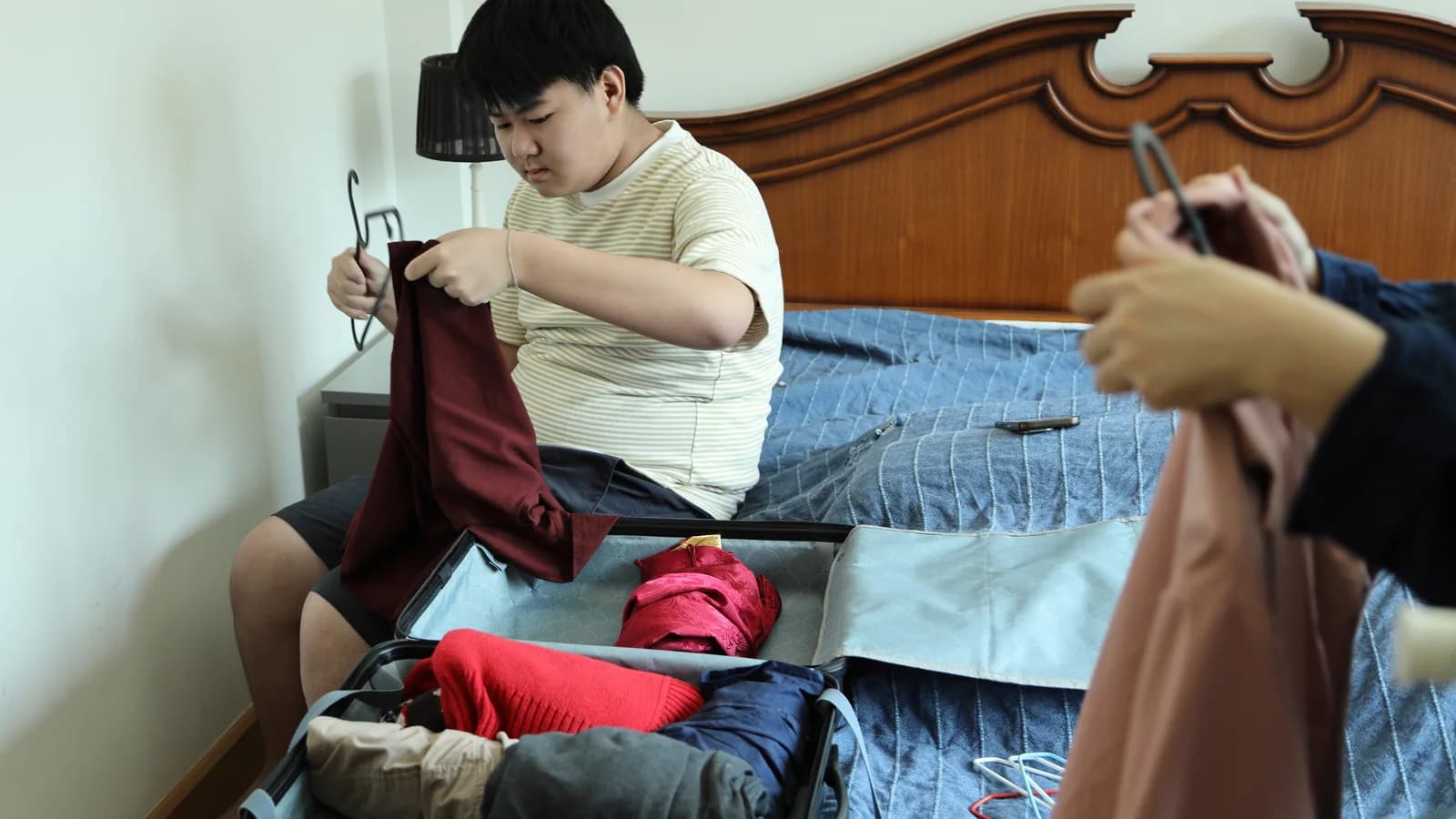
- Ask for the packing list and follow it closely.
- Clarify phone, visitation, family session, and communication expectations.
- Ask what school coordination is available and what releases may be needed.
- Write down questions before calls so fear does not erase them.
Parents can also decide who will handle practical tasks while the teen is in treatment: school communication, insurance calls, sibling routines, work schedules, and updates to current providers. Clear roles reduce stress when emotions are high.
Prepare for aftercare early
Discharge may feel far away at admission, but aftercare planning should begin early. Ask what support your teen may need after residential treatment: outpatient therapy, psychiatry, school transition, family therapy, safety planning, or step-down care. The goal is to avoid returning to the same unsupported pattern.