
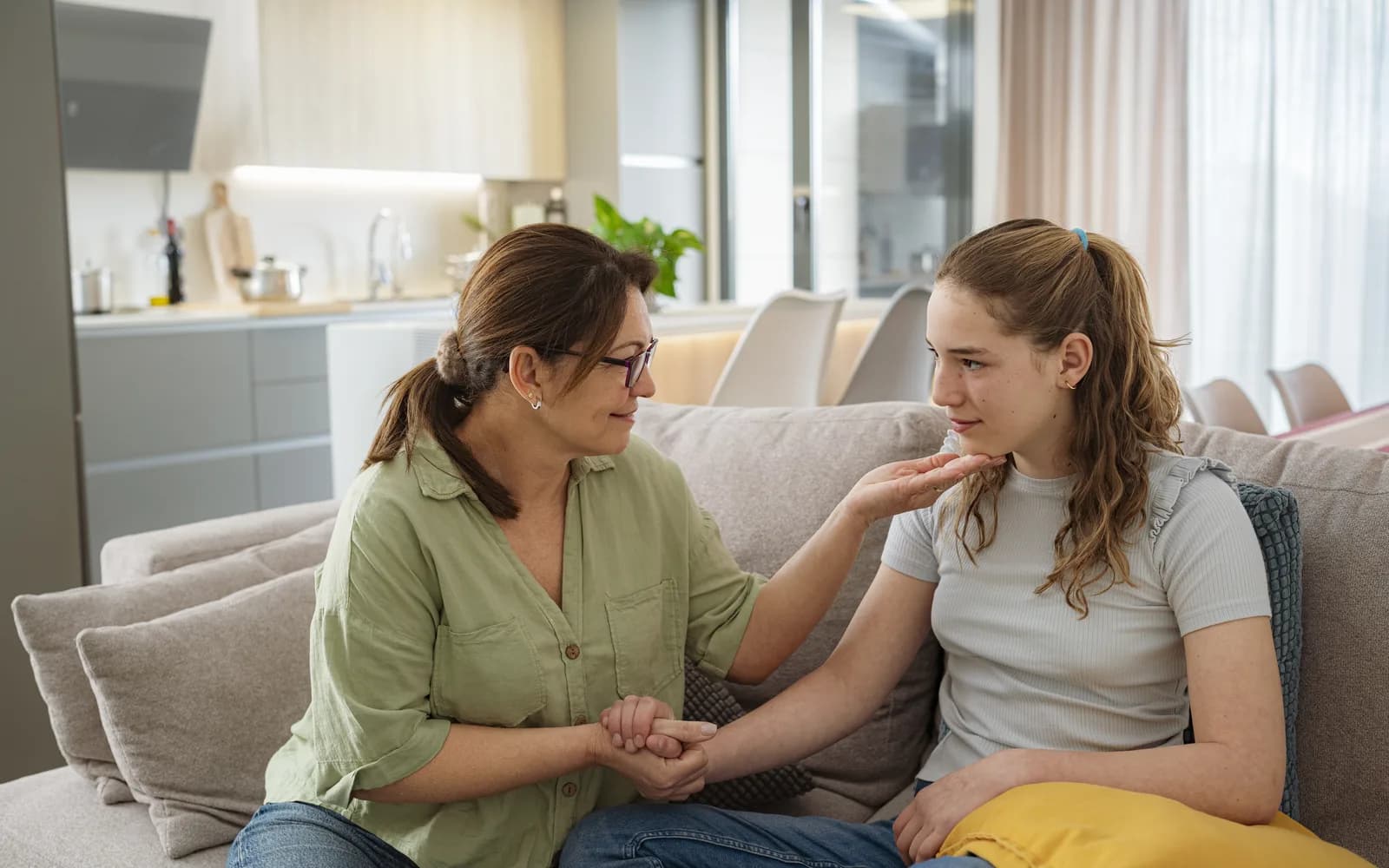
Discharge planning should start early
Aftercare should not begin in the final days of treatment. Families need time to understand what changed, what remains fragile, what supports will be needed, and what home has to look like after discharge. The transition home is a clinical moment, not just a pickup date.
What aftercare may include
The right plan depends on the teen's needs, progress, safety, school situation, medications, family capacity, and local provider availability. Families can ask about step-down care, outpatient therapy, psychiatry, family therapy, school re-entry, medication follow-up, safety planning, and crisis resources.
- PHP, IOP, outpatient therapy, family therapy, or psychiatric follow-up when clinically appropriate.
- School communication, workload planning, accommodations, or re-entry meetings.
- Home safety planning, supervision expectations, and relapse-prevention planning.
- Clear next steps if symptoms return or risk increases.
The family plan matters as much as appointments
Aftercare is not only a list of appointments. It is also what parents do on the first difficult night home, how school mornings are handled, what happens with phones and peers, how medication is managed, and how the family repairs if old conflict returns.
Progress does not mean pressure disappears
A teen can make meaningful progress in residential treatment and still need support after discharge. Families should expect transition stress and plan for it. The goal is not a perfect return home; it is a safer, clearer, more supported return.
Aftercare should name the first hard moments
The plan should account for predictable stress points: the first school morning, the first argument about the phone, the first medication question, the first peer invitation, the first weekend, and the first time the teen says treatment did not help. Families need language and escalation steps for those moments before they happen.