
Teen Vaping, Nicotine, and THC: What Parents Need to Sort Out
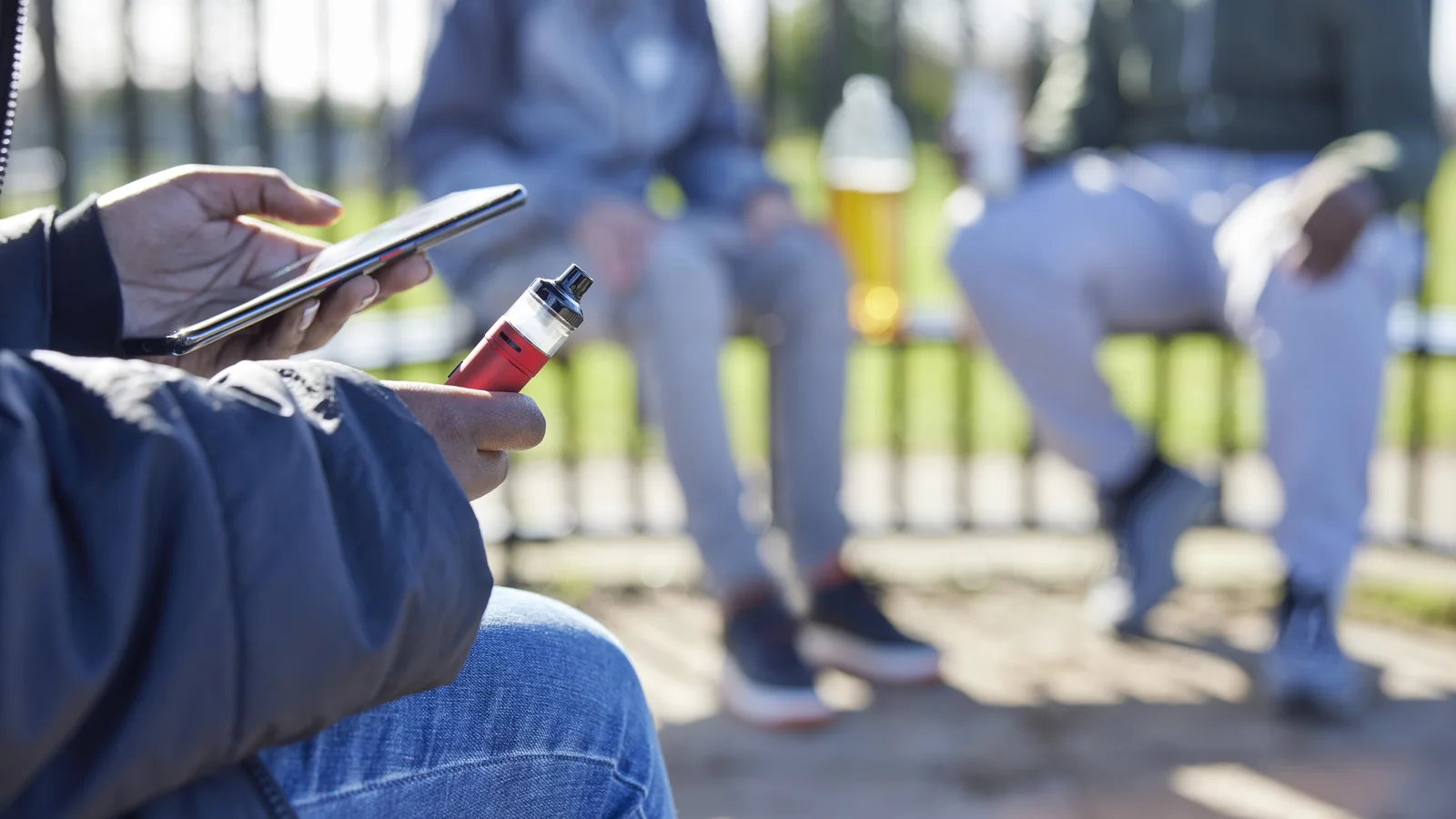
Teen vaping can be confusing for parents because the device does not always reveal what is inside it. One teen may be using nicotine. Another may be using THC. Another may be using both. Some devices are disposable, easy to hide, flavored, shared, or mislabeled. Before parents decide what to do, they need to understand what they are responding to.
Nicotine and THC are not the same concern
Nicotine vaping can involve cravings, withdrawal symptoms, irritability, school bathroom use, frequent device checking, and difficulty concentrating without access. THC vaping may overlap with intoxication, anxiety, panic, motivation changes, school decline, memory concerns, or riskier impairment. Some teens use both, which can make the pattern harder to understand.
- Ask what substance is being used, not only whether the teen is vaping.
- Ask how often the device is used and where access comes from.
- Watch for school avoidance, secrecy, panic, low motivation, or peer-risk patterns.
- Share any intoxication, medical, or safety concerns with a qualified provider.

Why teens minimize vaping
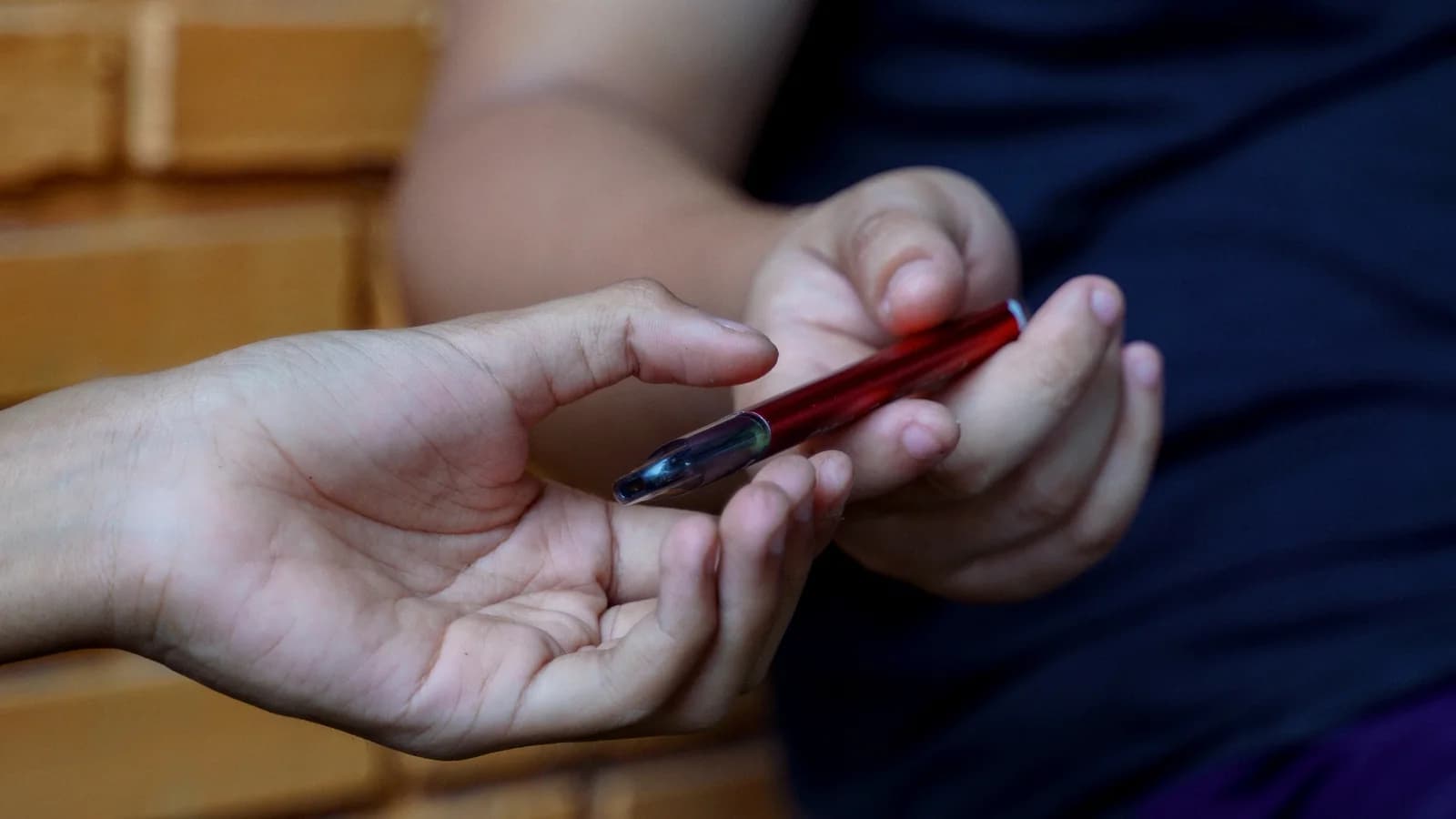
Teens may minimize because they are embarrassed, afraid of consequences, dependent on nicotine, worried about losing peer connection, or convinced that vaping is normal. Parents should expect some defensiveness and avoid turning the conversation into a single interrogation. A better approach is repeated, calm, specific follow-up.
Mental health overlap matters
Vaping may be tied to anxiety, boredom, social belonging, irritability, sleep problems, depression, ADHD, trauma, or school stress. Some teens vape to feel calmer or more focused. Others vape because every friend does. Either way, treatment planning should look at what happens emotionally when the teen cannot vape.
If nicotine or THC use is part of a broader pattern of depression, self-harm, school refusal, aggression, family conflict, or other substance use, parents may need more than a simple quit message.
Parents should also ask what the teen loses if vaping stops. For some teens, the answer is a coping ritual, a social identity, a private break from school pressure, or the fastest way they know to calm down. A treatment plan that ignores that function may miss why the behavior keeps returning.
That does not mean parents should accept vaping as coping. It means replacement skills need to be real enough to use in the moment: what the teen does before class, after an argument, when cravings hit, when friends offer a device, or when anxiety spikes and no adult is nearby.
What parents can do first
- Document what was found, when, and what the teen said it contained.
- Ask about frequency, cravings, panic, school use, peers, and consequences.
- Avoid promising consequences you cannot enforce consistently.
- Talk with a pediatrician or behavioral health provider if withdrawal, THC use, or safety concerns are present.
When a higher level of care may be worth discussing
Residential care may be worth discussing when vaping or THC use is part of a larger medically stable pattern: anxiety, depression, unsafe behavior, co-occurring substance use, school decline, family conflict, or inability to stop despite consequences. It is not a replacement for emergency care, detox, or medical evaluation when those are needed.