
What to Do If Your Teen Is Self-Harming
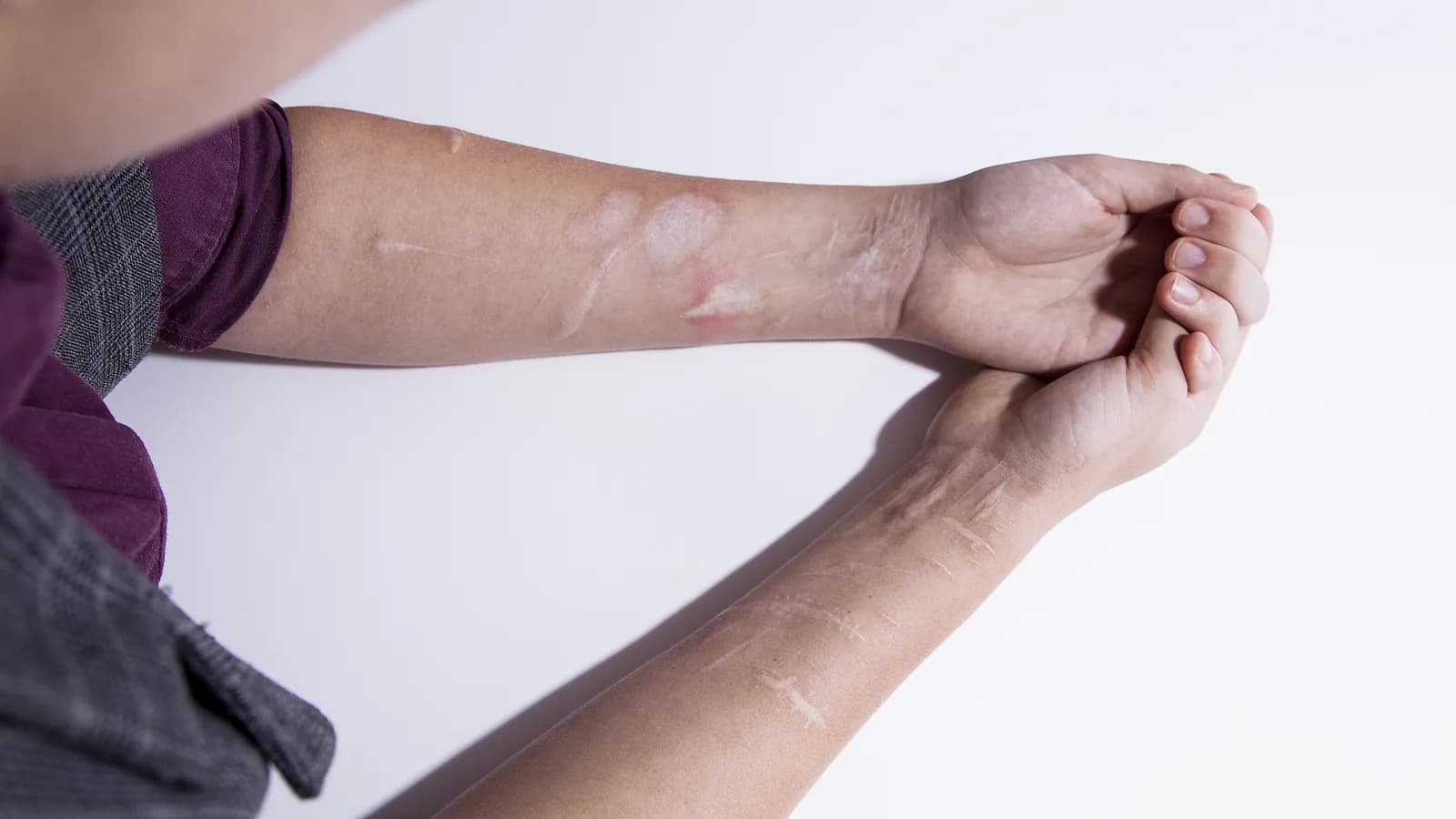
Finding out that your teen is self-harming can feel terrifying. Parents may feel panic, anger, guilt, confusion, or the urge to search every drawer immediately. The first priority is safety, but the way you respond also matters. A calm, direct response can make it more likely that your teen tells the truth and accepts help.
Self-harm should always be taken seriously. It can occur with or without suicidal intent, and parents should not assume they know the level of risk without asking. If your teen may be in immediate danger, call 911, go to the nearest emergency room, or call or text 988 in the United States.
Start with safety and medical needs
- If an injury needs medical attention, seek medical care immediately.
- If your teen may harm themselves again soon, do not leave them alone.
- Remove or secure obvious means of harm when it is safe to do so.
- Contact a licensed mental health professional, crisis line, emergency service, or current provider for guidance.

What to say first
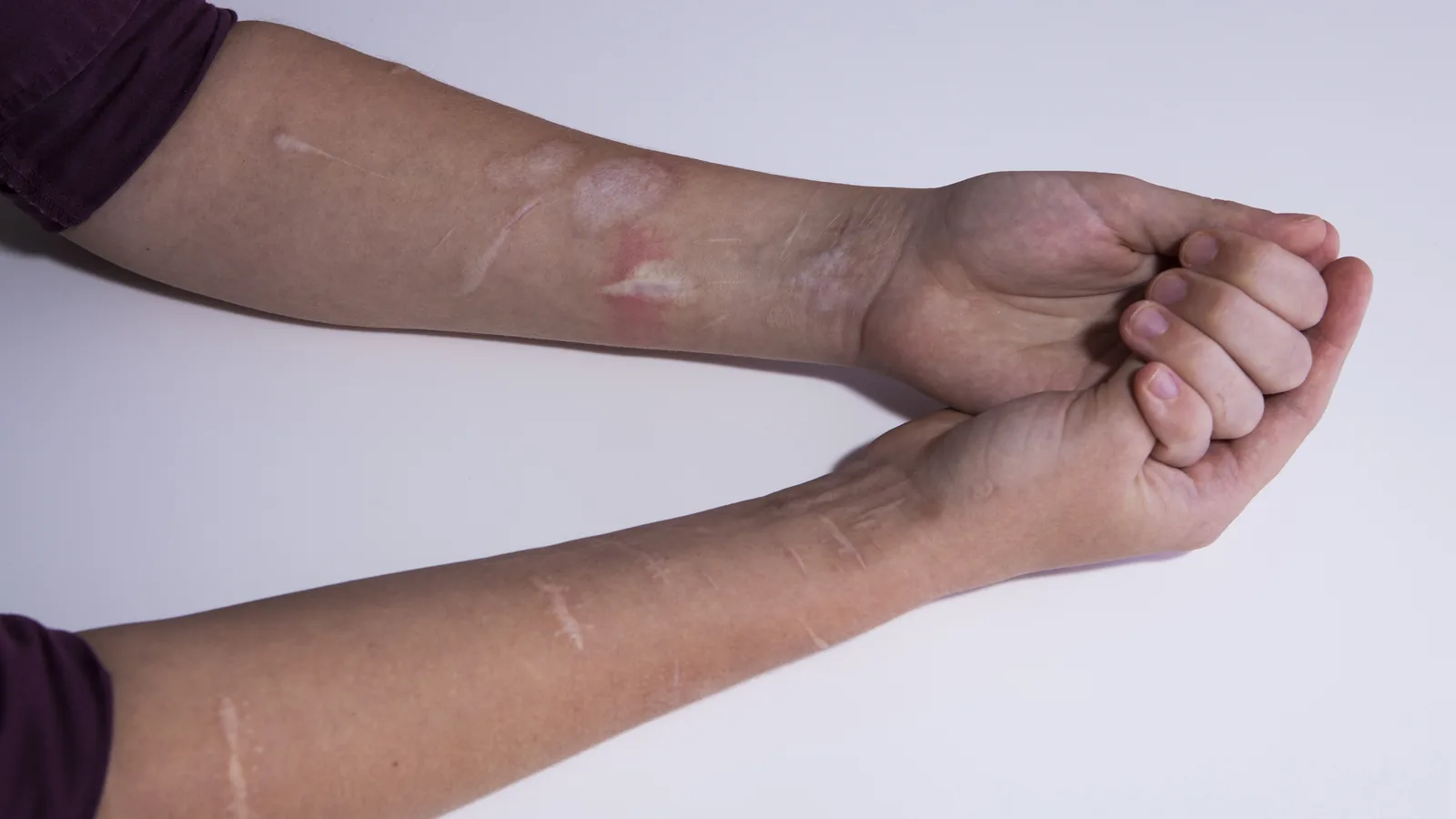
Your first words can either open the door or close it. Aim for calm and direct. You might say, "I see that you have been hurting yourself. I am not here to punish you. I need to understand how unsafe you feel, and I want to get help with you." This does not minimize the seriousness. It communicates that the teen is not alone and that adults are taking action.
- Are you thinking about suicide?
- Do you feel like you might hurt yourself again today?
- What did you use, and do you still have access to it?
- Is there anything you took, used, or did that needs medical attention?
What to avoid
Parents often react strongly because they are scared. Still, shame and interrogation can make self-harm more secretive. Avoid calling the behavior attention-seeking, dramatic, manipulative, or disgusting. Avoid promising total secrecy. Avoid turning the moment into a lecture about how much the teen has hurt the family. Those conversations may come from fear, but they rarely improve safety.
Self-harm and suicide risk
Self-harm is not always a suicide attempt, but it can be associated with serious emotional distress and increased risk. Parents should ask directly about suicidal thoughts. Asking does not plant the idea. It gives the teen a chance to be honest and gives adults a chance to respond appropriately.
Treatment and support
Treatment may focus on safety planning, emotion regulation, distress tolerance, family communication, reducing access to means, and addressing underlying depression, anxiety, trauma, or other concerns. DBT skills are often discussed because they teach practical tools for surviving intense moments without making them worse. Residential treatment may be worth discussing when self-harm risk, family monitoring needs, or daily functioning cannot be managed safely with outpatient care alone.
Create a short-term safety plan
A safety plan should be specific enough to use during the next difficult moment. It may include warning signs, coping skills, people to contact, places to avoid, ways to reduce access to means, and steps for parents if the teen cannot stay safe. A plan written during calm moments is usually more useful than a rushed conversation during panic.
Parents should not carry the plan alone when risk is significant. Contact the teen's therapist, prescriber, crisis resource, school support, or emergency service as appropriate. If the teen has injuries, access to lethal means, active suicidal thoughts, intoxication, or cannot agree to basic safety, seek immediate help.
Plan for secrecy and shame
Self-harm often grows in secrecy. Parents can respond by creating more safety without turning the home into surveillance only. The message should be, "We need more support and less access to danger," not "You are bad and cannot be trusted." Over time, treatment should help the teen replace secrecy with skills, honesty, and safer ways to ask for help.
What follow-up should include
Follow-up should not stop after one calm conversation. Parents can ask what level of supervision is needed, whether outpatient appointments should increase, whether medication or psychiatric support should be reviewed, how school should be informed, and what signs mean the family should return to emergency help. The plan should be written, realistic, and shared with the adults responsible for the teen's safety.