
Teen Heroin Use Warning Signs and What Parents Should Do First
If parents suspect heroin use, the first goal is not to find the perfect words. Safety comes first. Heroin is an illegal opioid with high overdose risk, and in the current drug supply parents also have to think about fentanyl exposure. A teen may not know what is in what they used, and parents cannot judge risk reliably by appearance, confidence, or what the teen says.
This topic needs a different tone than ordinary parent conflict. It is not a lecture issue. It is a medical and safety issue. If a teen may be overdosing, is hard to wake, has slow or shallow breathing, has blue or gray lips, is vomiting while sedated, or is unconscious, call 911 immediately.
Possible signs of heroin or opioid use
- Extreme drowsiness, nodding off, mental fog, or periods of being hard to wake.
- Very small pupils, itching, nausea, vomiting, constipation, or slowed breathing.
- Missing money, new secrecy, unexplained absences, or sudden changes in peers.
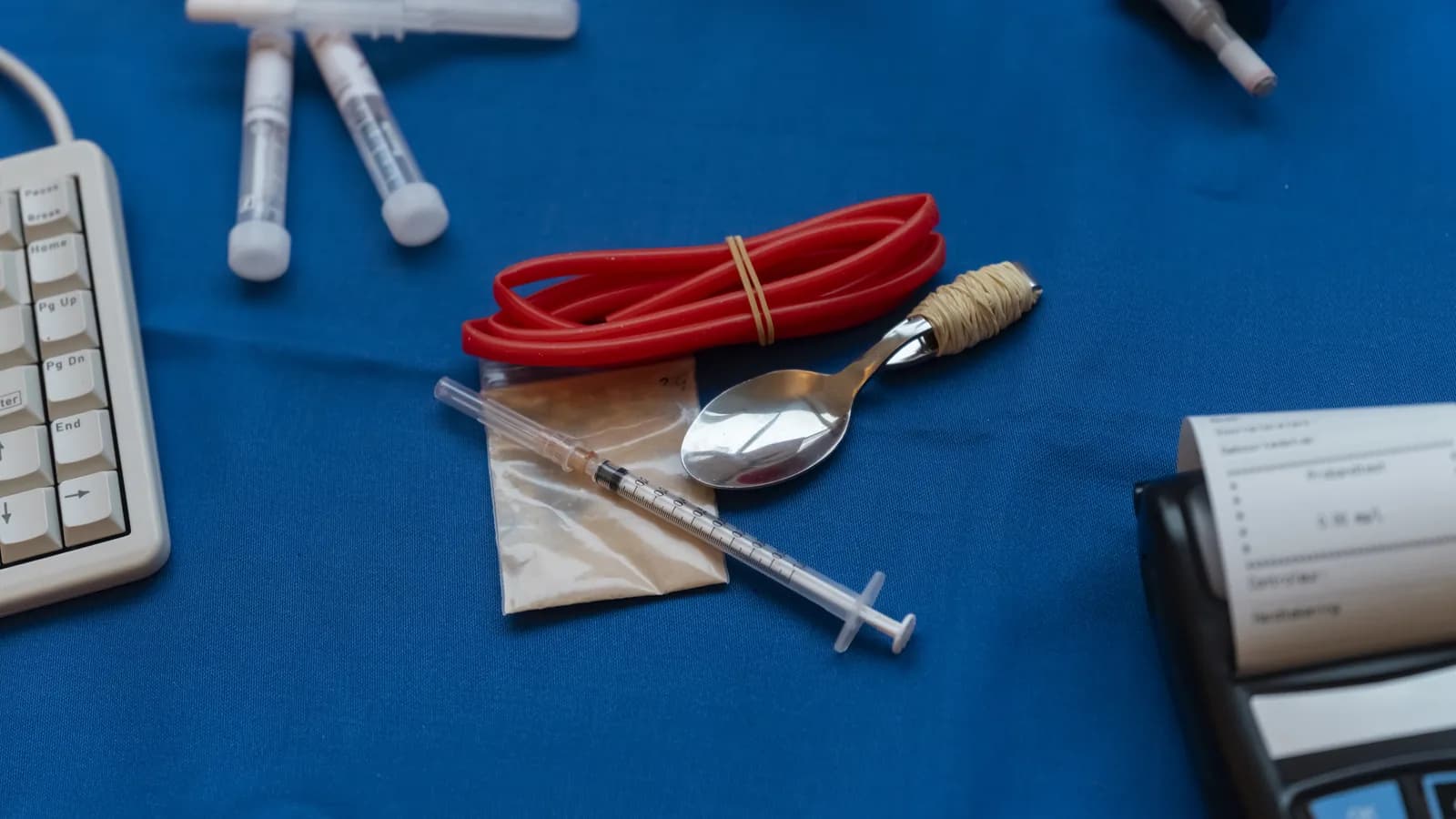
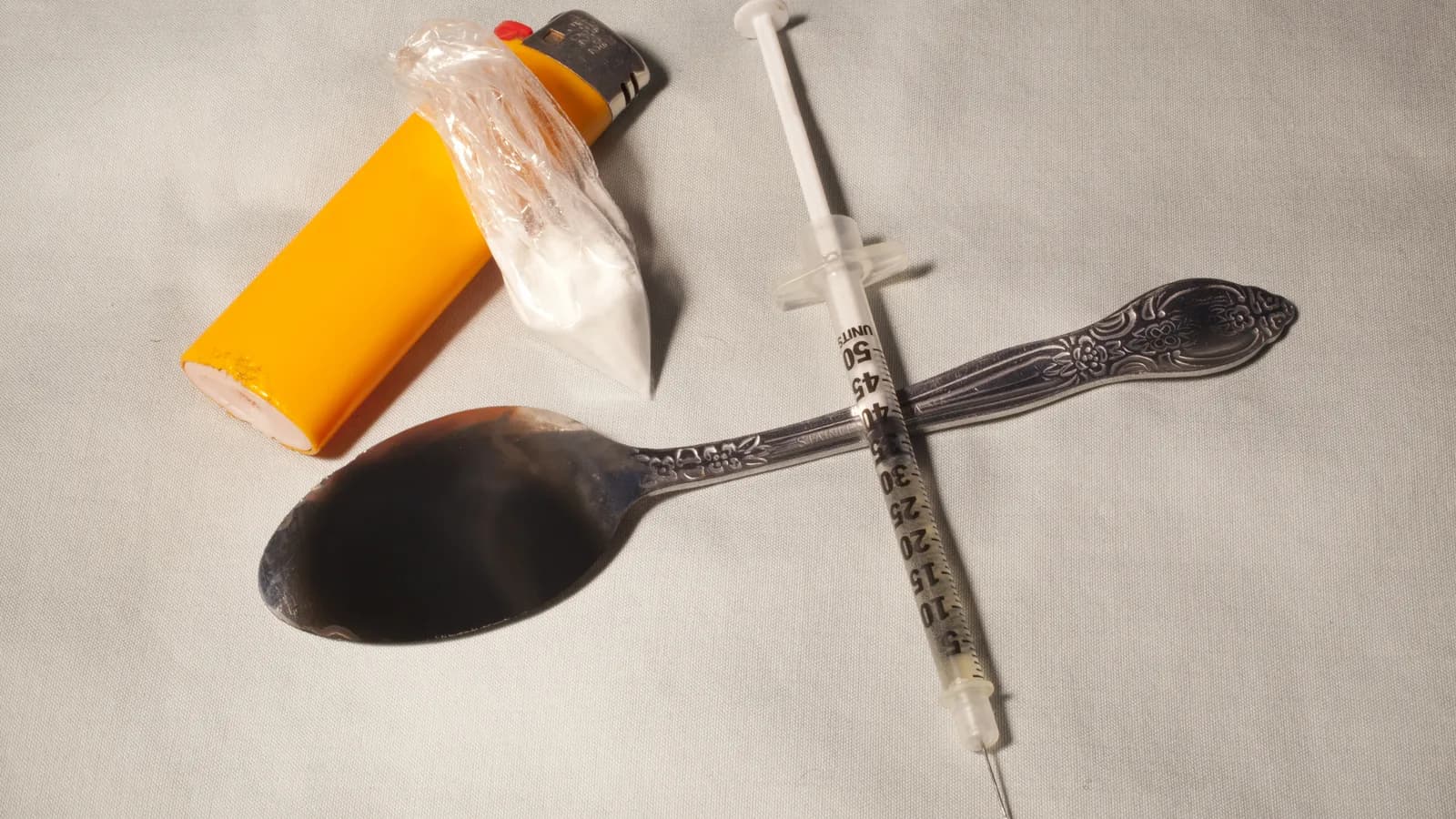
- Drug paraphernalia, small bags, burnt foil, syringes, pipes, or unfamiliar powders.
- Withdrawal-like symptoms when not using, including restlessness, body aches, diarrhea, vomiting, chills, or panic.

Why fentanyl changes the risk conversation
A teen may think they used heroin, a pill, or another opioid, but the substance may contain fentanyl or other potent additives. The danger is that parents and teens cannot reliably know the strength or contents. That uncertainty is why overdose response, naloxone access, emergency care, and medical evaluation matter.
Parents searching for teen heroin use warning signs are often already past mild suspicion. They may have found paraphernalia, noticed extreme sedation, heard a frightening disclosure, or seen a sudden change in peers and behavior. When heroin or fentanyl exposure is possible, it is better to over-respond medically than to explain away signs that could become fatal.
What parents should do immediately
- Call 911 for overdose signs or if you cannot tell whether the teen can stay awake and breathe normally.
- Use naloxone if opioid overdose is suspected and naloxone is available, then still seek emergency care.
- Do not let the teen sleep it off if breathing, consciousness, or mixed substances are concerns.
- Secure other children and reduce access to substances or paraphernalia if it is safe to do so.
- Write down what you know: substance, timing, route, amount, other drugs or alcohol, and symptoms.
After emergency risk is addressed
Once immediate safety is addressed, the next question is level of care. A teen using heroin may need detox, withdrawal management, medication evaluation, inpatient or specialty substance use treatment, psychiatric care, or a step-down/residential setting after medical stability. Parents should not guess alone. Heroin use can involve withdrawal, overdose risk, legal risk, trauma, depression, anxiety, self-harm, and family safety concerns.
Parents may feel furious or betrayed. Those feelings are human. Still, shame can make a teen hide more. The practical stance is firm and calm: "We are getting help. I need honesty about what you used because your life matters more than the consequence conversation right now."
Consequences, trust repair, school planning, and family boundaries can come later. In the first phase, parents need information that affects safety: what the teen used, when they used it, how they used it, whether alcohol or benzodiazepines were involved, whether they have used alone, and whether they have access to more.
Where NorthLeaf may fit
NorthLeaf is not heroin detox, opioid withdrawal management, emergency overdose care, or medication-assisted opioid treatment. If those services are needed, they come first. NorthLeaf may be part of a later plan for a medically stable adolescent whose substance use overlaps with mental health needs and whose clinical picture fits residential treatment.
Questions to ask any program
- Can this program safely manage opioid withdrawal, or does my teen need detox first?
- How is overdose risk addressed in the treatment and discharge plan?
- How are depression, trauma, anxiety, self-harm, and other substances assessed?
- What family safety plan should be in place before the teen returns home?